Weird things that soothe skin-tried and tested!

 Baby Diaper Rash Cream on your face? WHAT?
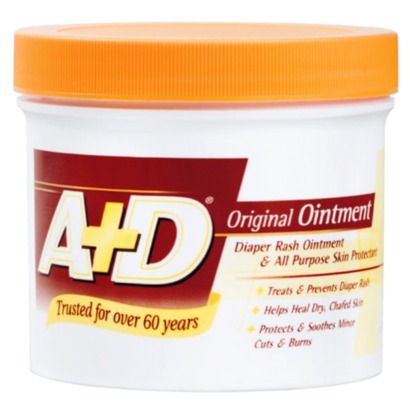
Lollipop26 mentioned not that long ago that she used Sudocrem (which is a diaper rash cream for babies) and it worked wonders on her face. I don't know if they sell that brand in the US but I've got babies so you better believe I've got diaper cream at my house. I thought I'd try it because hey it couldn't hurt. Diaper rash cream is made to soothe, moisturize, calm, reduce redness, and helped chapped skin...it's made for the MOST SENSITIVE skin (a baby)!THIS DID WONDERS. You know the saying..."as smooth as a baby's bottom"...well...I'm here to tell you... that's what your face will feel like. No joke.
I have a lot of redness in my skin and it's been extremely dry and flaky from the cold this winter. I put the cream on my face (I used A&D ointment but you could use any brand) and let it sit on my face for 2 hours ( some people sleep with it on). When I washed it off...wow! So smooth and a lot less red....and felt SO moisturized! I read that it can also help with acne because it has zinc oxide in it.
I highly, highly recommend you try this...yes the thought of putting diaper rash cream on your face is kinda weird but it really works and you'll be on your way to being as smooth as a baby's bottom!:) :) :)
Source://bellamakeup.blogspot.com/
 Red Wine
Related Stories

Virat Kohli's Cricket Legacy: Individual Excellence in Collective Sport
Virat Kohli's cricket career represents one of sport's most sustained examples of individual excellence achieving institutional dominance. From mercurial young batsman with technical flaws to disciplined master accumulat...

Tier-1 City Problems: Congestion, Pollution, Infrastructure Limits
Delhi's air quality deteriorates into hazardous territory with seasonal regularity. During winter months, Air Quality Index readings frequently exceed 400—well into the "hazardous" range where outdoor activity becomes me...

The New Indian Middle Class: Aspirations, Anxieties, Consumption
India's middle class—roughly 250-350 million people with annual household incomes between ₹10 and ₹50 lakh—represents a purchasing power that shapes entire economies. Yet their consumption patterns reveal a psychology di...