The Startup Winter: Which Startups Survived the Downturn?
2021's record funding flood turned into 2023-2025's reckoning: capital dried up and unit economics became the test. What separated survivors from failures.
Explore every Tech article on Thoughtful India — in-depth reporting, analysis, and perspectives on tech across India.
88 articles

India's brain drain is shifting: since 2015, IIT graduates choose Indian startups over US firms and founders return to build. The reversal isn't complete.
$10 billion for chip fabs, PLI for batteries: the hardware push is real — but fabs need decades, batteries need scale, assembly is only the first step.
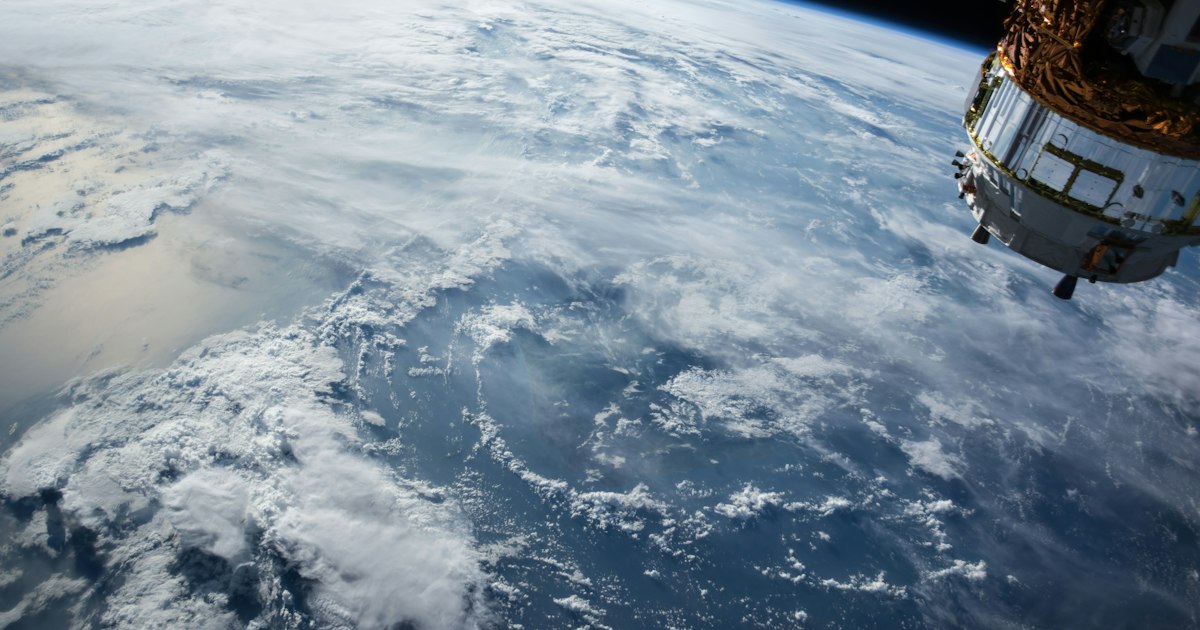
Chandrayaan-3 landed at the lunar south pole — a first for any nation — on a $75 million budget. How ISRO built world-class space capability on a fraction
India skipped the Tesla script: it's electrifying from the bottom up — two-wheelers and auto-rickshaws first. The economics explain everything.
UPI processes more transactions than any payment system on Earth — a public utility, not a private platform. Why the world is studying it.

Indian startups are expanding into Southeast Asia — Razorpay in Malaysia, Ola in the UK and Australia, Freshworks on Nasdaq. Where the advantage is real.
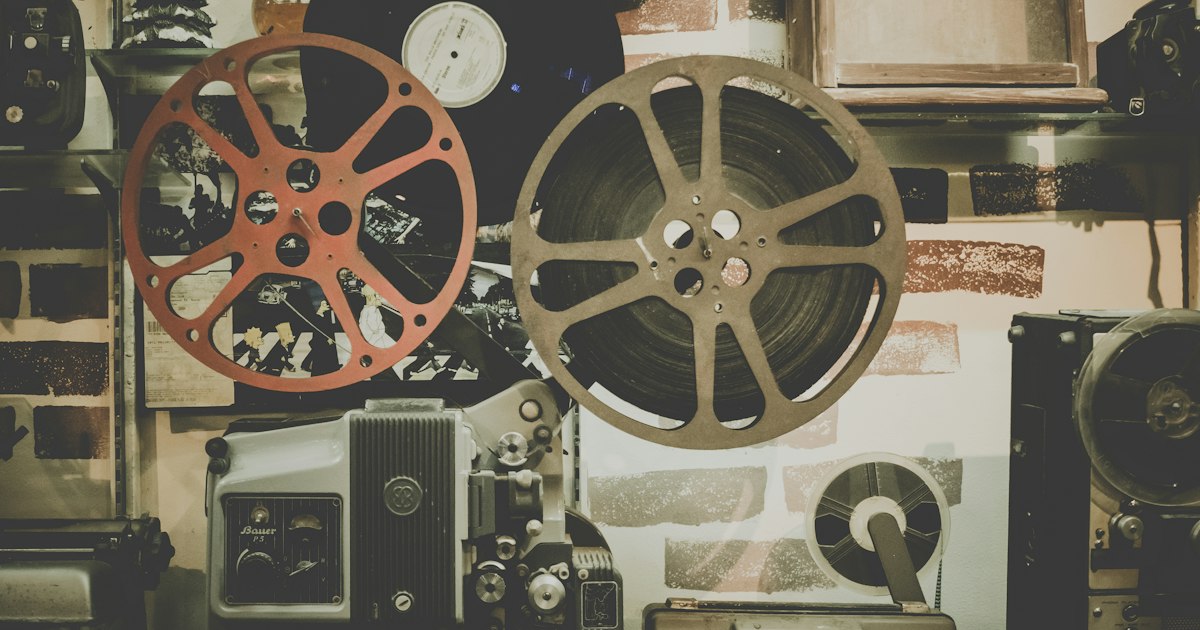
Bollywood built its empire on opening weekends; Netflix builds on subscriptions and algorithms. Talent, money, audience are moving — theaters now the exception.
India is spending $10 billion to build chip fabs and break Taiwan's grip on semiconductors. The ambition is real; the power grids, supply chains, and

Indians get ~70% of H-1B visas while the green-card backlog stretches decades. As US restrictions tighten, the IT model built on visa arbitrage is ending.
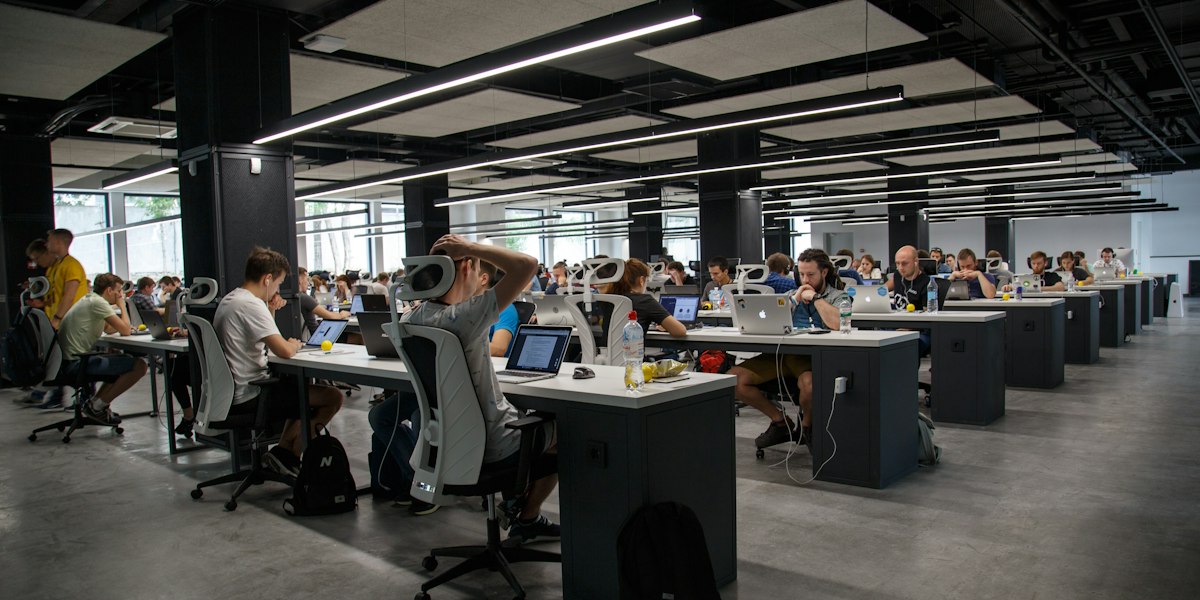
Bangalore traded the Garden City for India's Silicon Valley — and got neither. Traffic, lost green cover, priced-out identity: the cost of the IT bet.

Going deaf in his 20s, science writer Frank Swain hacked his hearing aids with a Nesta grant — turning London's Wi-Fi signals into clicks and melodies.

In August 2013, developer Patrick McConlogue offered a homeless man $100 or coding lessons — Leo chose the lessons. Here's how the viral story began.

At the D11 conference in 2013, Motorola's Regina Dugan showed off a swallowable 'password pill' and an electronic tattoo that could replace typed passwords.
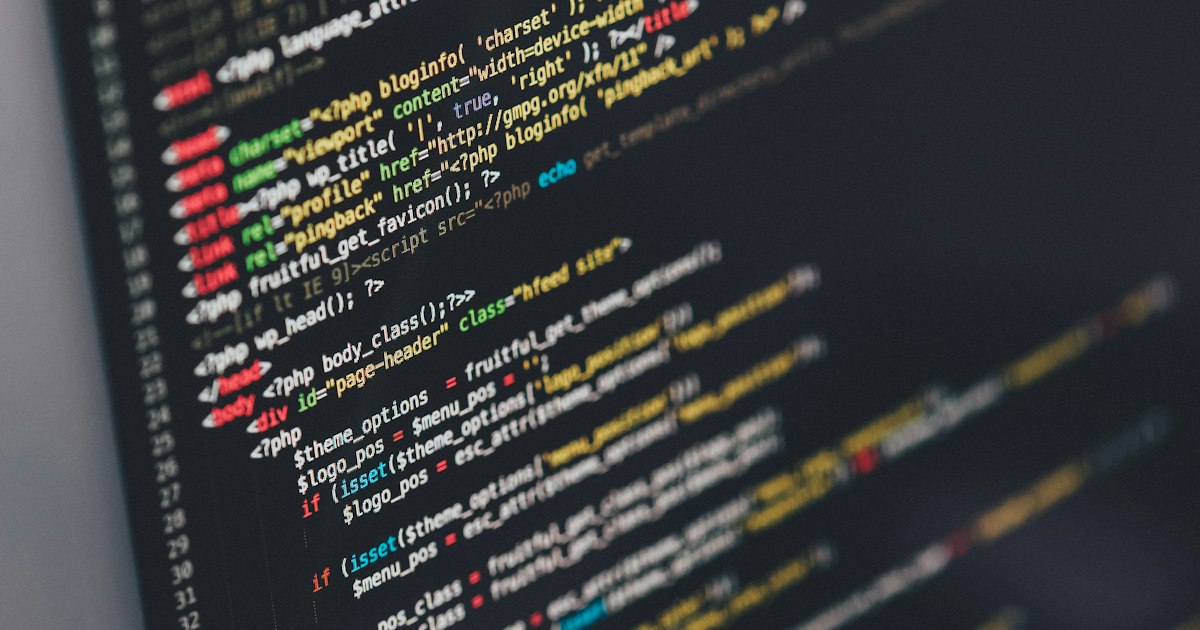
Web Pundits is a one-stop web solutions company — latest web technologies, design, development and e-marketing, with free one-year technical support.

Andrea Colaco, a Goan PhD student at MIT's Media Lab, led 3dim to the $100K Entrepreneurship Competition prize with gesture-recognition tech for phones.

Belgian researchers built a curved LCD display that fits inside a contact lens, promising text messages and directions projected straight onto the eye.

Hyderabad CID arrested a Mahindra Satyam software engineer at Shamshabad airport for allegedly hacking a former colleague's email and making fake Facebook

A year after Steve Jobs's death, readers shared the lesser-known stories — the India trip, the calligraphy class, the human behind the legend.

Tim Cook's September 2012 open letter apologizing for the disastrous Apple Maps launch — sorry, direct users to rivals, and promise an incredibly high standard.

With the iPhone 5 launched and Steve Jobs gone a year, Apple needed a creative voice. The case for Jonathan Ive stepping up — written days after launch.

Stanford and Northwestern researchers taught volunteers a 30-character password without ever telling them — using a Guitar Hero-style game.

California's legislature passed SB 1298 in August 2012, legalizing Google's driverless-car tests on public roads — the first step toward autonomy.

Sony's Bravia XBR-84X900, unveiled at IFA 2012: an 84-inch 4K LED TV at 3840x2160 — four times Full HD — with 4K X-Reality Pro upscaling.

Parents can't track everything their kids do online — and shouldn't try. What actually works: watching patterns, setting boundaries, and talking.

At USENIX 2012, researchers showed a $299 gaming headset could pull PINs, addresses, and birth months from brainwaves — welcome to brain spyware.

String theorist Ashoke Sen of Allahabad's HRI won the $3 million Fundamental Physics Prize in 2012 — the richest prize in physics, ahead of even the Nobel.

A German court extended Apple's EU-wide ban on Samsung's Galaxy Tab 7.7 but let the redesigned Tab 10.1N stand, days before the US patent trial began.

On July 4, 2012, CERN announced the discovery of a particle consistent with the Higgs boson — the missing piece of the Standard Model, theorized in 1964.

The Aakash, India's $35-40 tablet from DataWind and the government, promised to bridge the digital divide for students — but the shipped device fell far short.

In June 2012, Danielle Mehlman was found stabbed to death in a Delaware motel; the Cognizant employee wanted in her murder was later found dead in New Jersey.

Charantoor Kultar Singh, a 22-year-old Liverpool John Moores student, pleaded guilty in 2012 to unauthorized computer access after a Police e-Crime Unit arrest.

Critics argued Google's ad design profited from accidental mobile taps; Google pointed to its invalid-click filters. The debate over who audits the metrics.

In May 2012 Kaspersky exposed Flame — a massive cyberespionage toolkit aimed at Iran, with 86 fake-identity domains and all the hallmarks of a state operation.

Thomas Langenbach had a $2 million home and a prestigious SAP job — and, police said, a second career stealing Lego sets to resell on eBay.

In May 2012 IBM banned Siri on company devices — voice data went to Apple's servers, and nobody could audit it. The caution turned out to be prescient.

After a flat debut, Facebook's stock fell 11% on its second day of trading in May 2012 — and Wall Street's verdict on the bungled IPO was blunt.

Scott Thompson's four-month Yahoo tenure ended in May 2012 over a fabricated degree — and set up the succession battle that brought in Marissa Mayer.

The 2012 plan for free internet on Indian Railways was about more than passenger comfort: ambition, infrastructure reality, and the long road to railway Wi-Fi.

Bill Gates rendered in panels and speech bubbles — an Indian publisher's illustrated biography made the billionaire's story accessible to young readers.

In April 2012, Korean IT News reported Apple's iPhone 5 might use Liquidmetal alloy — the rumor fizzled; the iPhone 5 shipped in aluminum that September.

Exeter researchers built a 3D printer that extrudes molten chocolate layer by layer — mass-personalized confectionery, before 3D printing went mainstream.

Walter Isaacson, Jobs's biographer, distilled his subject's leadership into 14 imperatives for the April 2012 Harvard Business Review. Here they are.

Pune teacher Vandana Suryawanshi became the first foreign teacher — and the only Indian — selected for the US Space Foundation's teacher liaison programme.

In January 2011, even Mark Zuckerberg's own Facebook page was compromised. If the founder isn't safe, what chance do the rest of us have?

Mona Simpson's eulogy for her brother Steve Jobs — the intimate portrait, the family story, and those final words: Oh wow. Oh wow. Oh wow.

In a 1985 Playboy interview at 29, Steve Jobs said 'it better be damn good' — twenty years later, his Stanford address made mortality his most quoted theme.

The iPhone 4S arrived in October 2011 with an A5 chip, 8MP camera and Siri — how Apple's specs stacked up against the Galaxy S II, Sensation XE and RAZR.

In September 2011, Netflix apologized for its price hike — then made things worse by splitting DVD-by-mail into Qwikster. A live case study in disruption.

A 2011 archive note on the dawn of bring-your-own-device: when companies were just figuring out that employees wanted work on their own phones.

Google brought voice search to Chrome's address bar in 2011. Did talking to your browser ever catch on? Revisiting the feature that foreshadowed everything.

Reuters reported in August 2011 that Apple's Asian suppliers were building a cheaper 8GB iPhone 4 — a play for emerging markets ahead of the iPhone 4S.

Neuroscience suggests handwriting engages the brain in ways typing doesn't — from letter recognition in kids to deeper learning in older students.

A Hamburg teen forgot to mark her 16th-birthday invite private on Facebook. Some 1,500 strangers showed up — and she fled her own party.

Voice calls are dying and carriers know it. Why unlimited minutes aren't generosity — they're the carriers admitting the minute is obsolete.

Hackers breached email-marketing giant Epsilon in April 2011, stealing data for 2,500+ clients — triggering breach notices from Chase, Citigroup and more.

A Bangalore call-center firm could hire only 3 of every 100 graduates in 2011, exposing India's employability gap and the failures of its education system.

In 2011, Amazon Web Services was a thrifty side bet renting servers for pennies an hour. How the cloud became Amazon's real empire.

In 2011, Facebook let users rent The Dark Knight with Facebook Credits. Why social movie streaming flopped -- and what it got right too early.

At Mobile World Congress 2011, Visa bet big on paying by phone. The plan, the security debate -- and how the mobile-wallet prediction played out.

After a 2011 New York Times expose on its paid-link scheme, Google manually penalized JCPenney -- proof no advertiser was above its search rules.

Stephen Elop's leaked 'burning platform' memo of February 2011: the most brutally honest corporate memo ever, and the prelude to Nokia's Microsoft deal.

In February 2011, Mark Zuckerberg won a restraining order against Pradeep Manukonda, 31, who stalked him across Facebook, his offices, and his front steps.

Purdue researchers found students who quizzed themselves after reading retained 50 percent more a week later than those who re-read or made concept maps.

How Apple's iTunes Store beat piracy not with lawsuits but with convenience: 99-cent songs that were simply easier to buy than to steal.

In late 2010, Sega installed urine-controlled video games in Tokyo urinals. Graffiti Eraser and a stream-strength contest followed. Ads ran after.

By the end of 2010, Facebook had crossed 500 million users and left MySpace behind. The network effect made leaving a genuine social cost.

On January 11, 2011, Verizon announced the CDMA iPhone 4 at New York's Lincoln Center — ending AT&T's exclusive hold on the iPhone.

Google Goggles 1.3 added instant barcode scanning, print-ad recognition, and a party trick: solving a Sudoku grid faster than a champion.

In December 2010, Roslyn High School handed 47 iPads to students in two classes — an early test of whether tablets could replace textbooks.

Thinner, lighter, cameras at last, a faster chip: the late-2010 iPad 2 rumor mill turned out to be mostly right when Apple delivered in March 2011.

Placements are back, and IIT students are refusing employer bonds — asking recruiters to earn their commitment with better incentives instead.

Google is giving away its unbranded Cr-48 Chrome OS notebook to pilot testers. On the free laptop, the browser-only bet, and how to apply.

Reports of suicides broadcast live over webcams are surfacing — and audiences watch. On the bystander effect, platform responsibility, and getting help.

Amazon pulled hosting, the DNS registrar pulled the domain, PayPal froze donations — and WikiLeaks stayed up. On the week the internet proved unkillable.

NASA announced bacteria that may substitute arsenic for phosphorus — even in DNA. On the extraordinary claim, the instant skepticism, and what came after.

With the holidays approaching and iPad adoption outpacing every technology before it, the tablet is becoming something new: the computer the whole family

3G has arrived in India — Tata Docomo launched on Diwali, with Airtel, Reliance and Vodafone to follow. What faster networks change, and what your handset

The Social Network fixed a cinematic version of Mark Zuckerberg in the public mind. On film, biography, and the founder who could not control his own story.

Google's Boutiques.com (2010) admitted algorithms can't generate taste — so it asked stylists and bloggers to curate. On humans vs. algorithms in fashion.

LinkedIn touted tens of millions of registered accounts in 2010 — but how many were actually active? On dormant users and network effects.

Google's Hotpot brought friends' recommendations to local business ratings in November 2010. Another genuinely good Google social product that couldn't beat

Project Titan revealed: Facebook Messages — unified inbox, no subject lines, @facebook.com addresses. Zuckerberg said it was 'not an email killer.'

In 2011 Google acquired a face-recognition startup — and then refused to ship the technology. The story of the one product Google held back.

Google's Chrome team is footing the bill for free Gogo Wi-Fi on AirTran, Delta, and Virgin America flights from November 20 to January 2 — about 15 million

N.R. Narayana Murthy built Infosys into an idea as much as a company. Can India's most famous IT firm ever step out of its founder's shadow? An editorial.
Before smartphones, finding a local business in an Indian city meant phone directory services — one call and a patient operator did what Google Maps does now.
In 2010 two driverless vans drove 13,000 km from Italy to China. Nobody paid much attention then. The future of the automobile was already on the road.