After Egypt - Who's Next?

With Hosni Mubarak still clinging to power and Tahrir Square still full, the question echoing through every Arab capital in early February 2011 was simple: who's next?
The conditions that detonated in Egypt were not unique to Egypt. Anyone under thirty -- the vast majority of the region's population -- had lived their entire life under emergency law: expanded police powers, curtailed constitutional rights, heavy censorship, thousands detained. Youth unemployment was crushing; in Egypt, young men who could not find jobs could not afford to marry, and the frustration had been building for years.
The November 2010 parliamentary elections were supposed to be a release valve. Instead, outside monitors were barred, fraud was reported at polling stations across the country, and young Egyptians who had queued for voter cards watched polling places close early or turn them away. The message was unmistakable: the system would not reform itself.
Then Tunisia happened. Ben Ali's flight on January 14 proved that a seemingly immovable Arab strongman could fall in weeks -- and Egyptians, watching it live, drew the obvious conclusion.
By early February, the contagion was visible. In Yemen, protesters were already in the streets demanding an end to Ali Abdullah Saleh's three-decade rule. In Jordan, King Abdullah II sacked his government on February 1 in a bid to get ahead of the unrest. Algeria, Sudan, and Mauritania all saw demonstrations. Each country had its own mix -- monarchies and republics, oil wealth and poverty, different sectarian maps -- so no single script applied. But the shared ingredients were everywhere: a youth bulge with no jobs, corruption everyone could see, and regimes that had mistaken silence for consent.
Egypt's outcome was still undecided when this was written -- Mubarak would resign on February 11. But the larger story was already clear: the fear barrier that had held the region for decades had cracked in Tunis and shattered in Cairo, and no Arab ruler could assume it would hold at home.
Related Stories
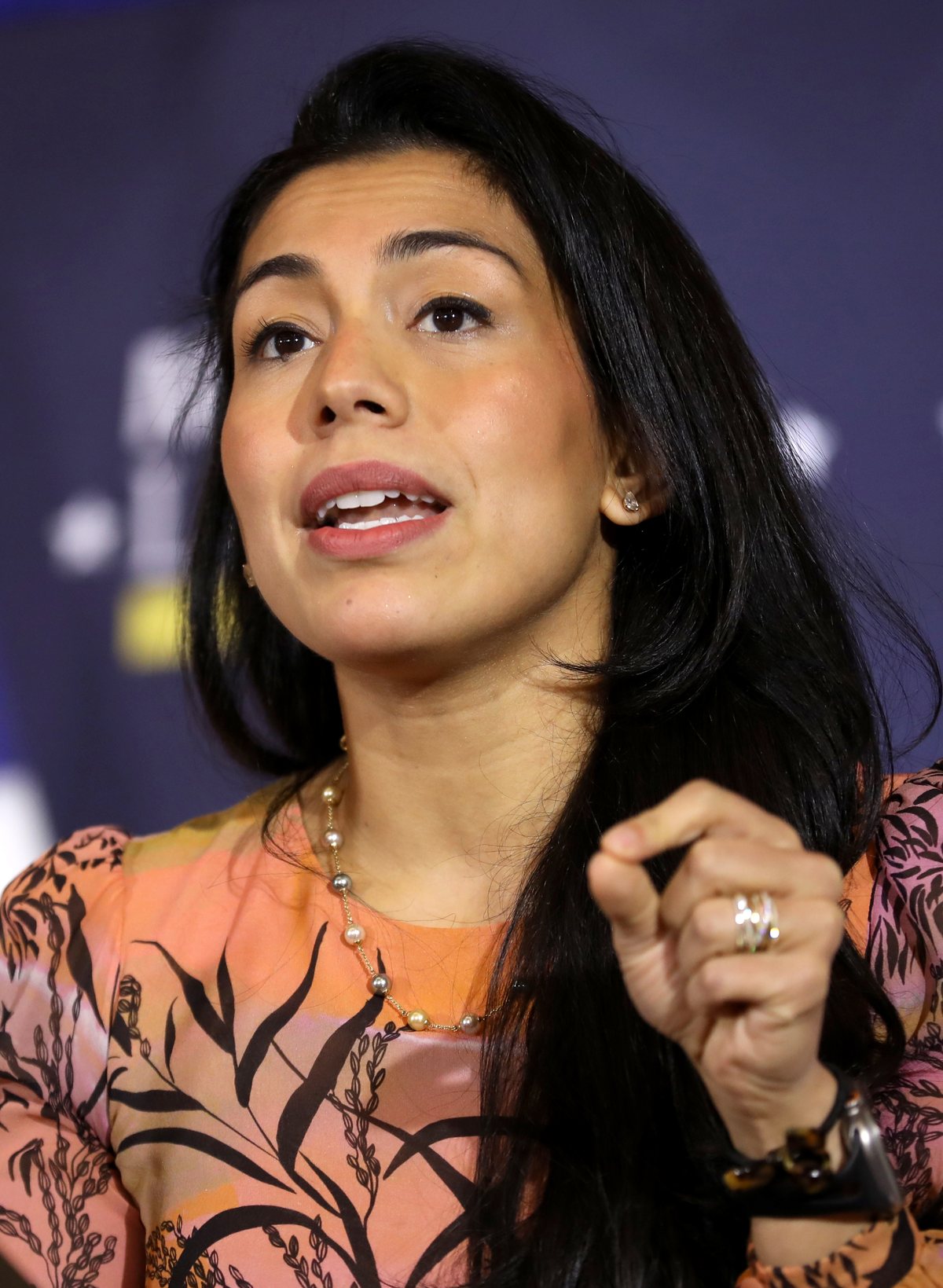
Why Apoorva Ramaswamy Might Be Vivek's Strongest Argument
Dr. Apoorva Ramaswamy: throat surgeon, mom of three, and the one person in Vivek Ramaswamy's orbit who has publicly disagreed with him. A profile.

The US-Iran War: What It Means for Your Gas Bill
US gas prices surged 20% to $3.55 a gallon ten days into the US-Israel operation against Iran, as Hormuz disruption pushed crude past $100.

Ambedkar's Legacy: Caste, Constitution, Contemporary India
Every April 14, India garlands Ambedkar's portrait, ignoring his argument: caste cannot be reformed, only abolished. Words enshrined; work unfinished.