Young voters backed Democrats by 47 points, and Kansas elected a pastor
What the 2026 midterm exit polls say about age, anger and gas prices, the upsets nobody priced in, and what late-night comedy made of it. A column on the morning after.
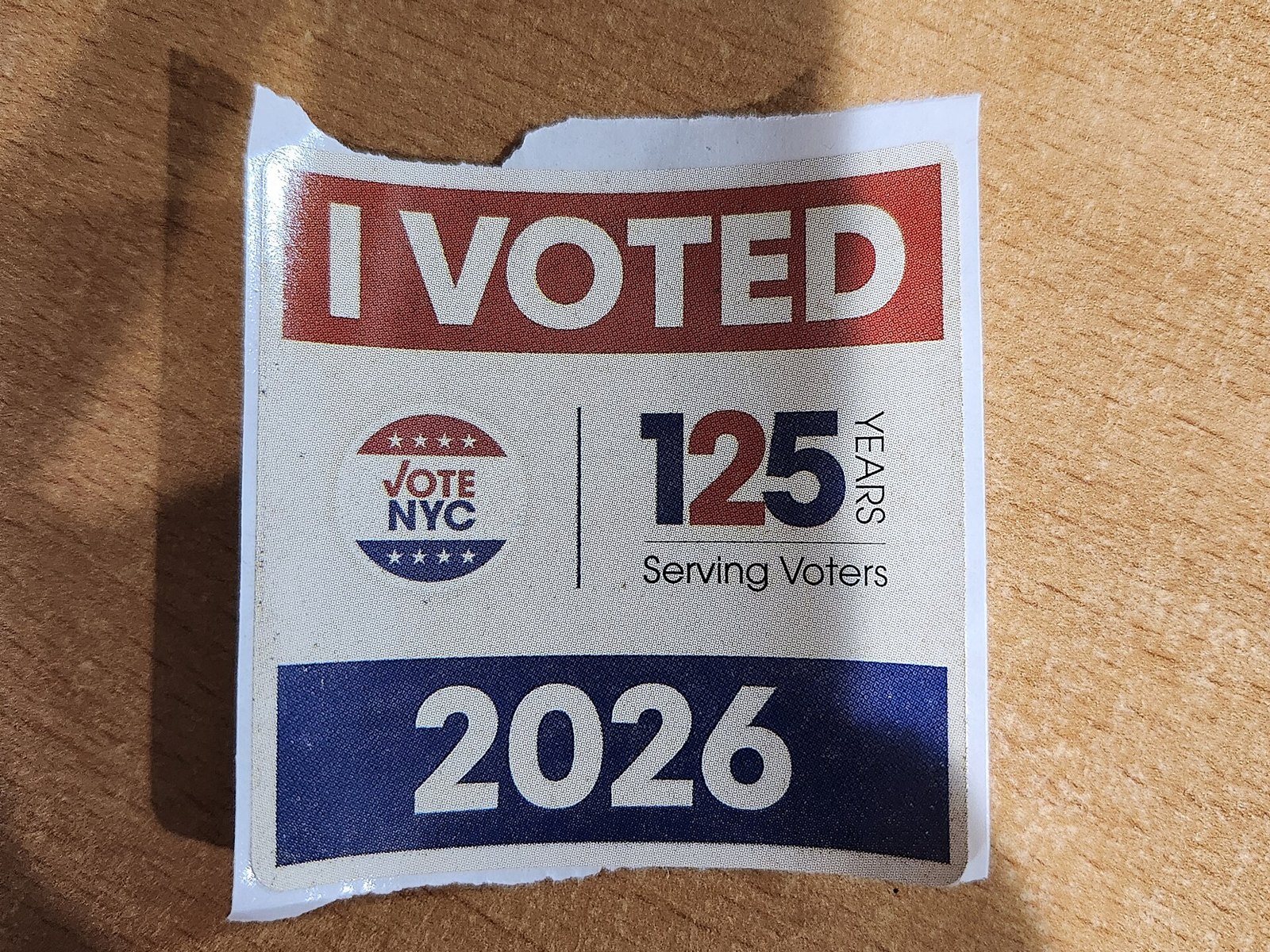
Featured image: An "I Voted" sticker from New York State's elections on November 3, 2026. Photo by lurkingherern, CC BY 4.0, via Wikimedia Commons.
Column. This piece contains the writer's opinion. Results are NBC News projections and preliminary exit polls as of Wednesday morning, November 4, and counting continues.
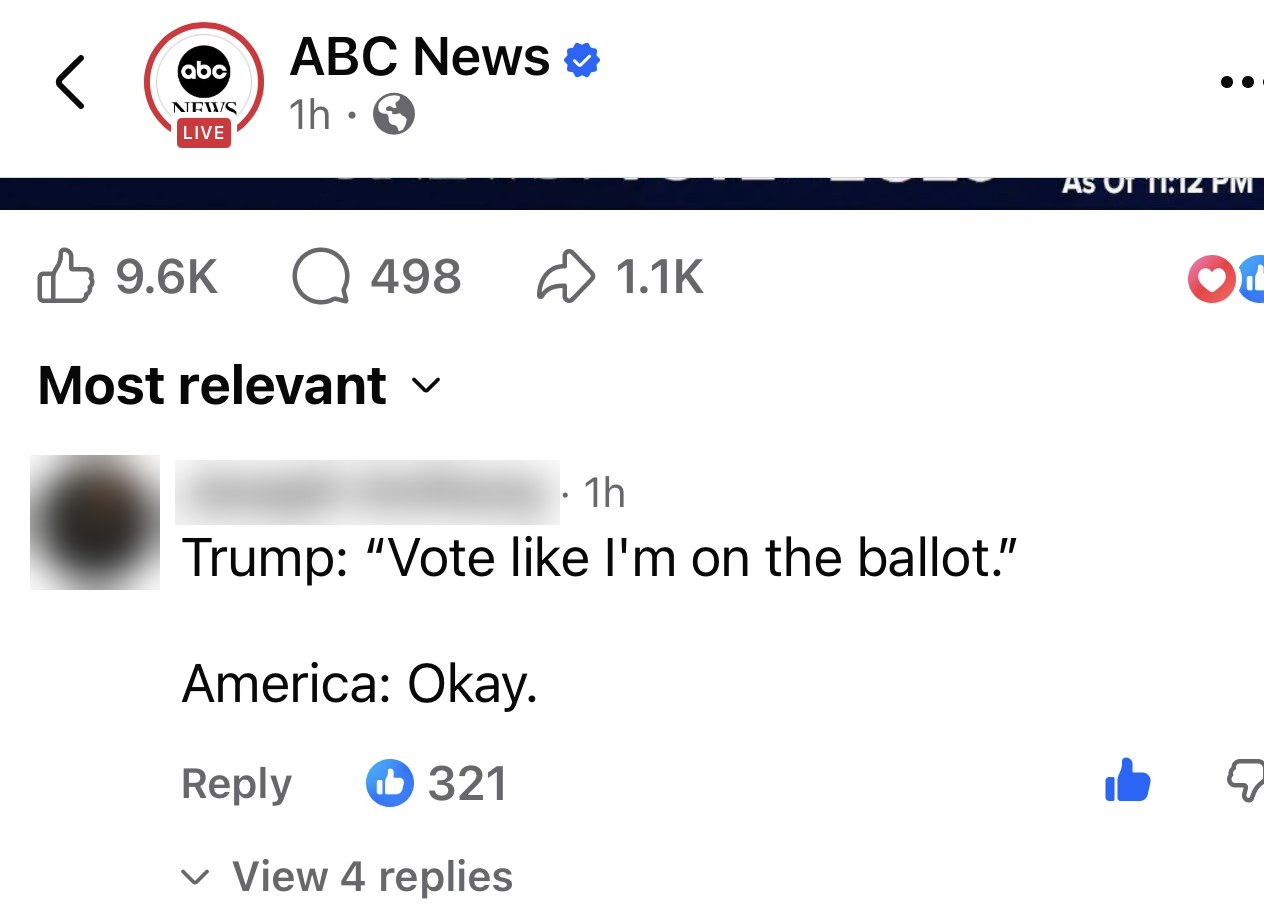
By Wednesday morning a reel had collected more than 28,000 likes on Instagram. Its on-screen text read "Millennials, Gen Z, and Gen X pulling up to save Democracy," over a picture of the Capitol dome at sunset. It spread fast. The account that posted it, katiehwillcox, wrote that "people are waking up and will hold government accountable." It had been reposted more than 2,600 times.
The exit polls back half of that claim. Voters aged 18 to 29 chose Democrats for the House 72 percent to 25, according to the NBC News Exit Poll. That is a 47-point gap. Voters aged 30 to 44, most of them millennials, went 60 to 36. CIRCLE, the youth-voting research center at Tufts University, called the youth margin the highest it has ever seen in a national election. The data is preliminary. In 2024 the same age group favored Democrats for the House by 14 points.
Gen X is where the reel runs ahead of the data. Voters aged 45 to 64 split 51 to 47, close to even. Those 65 and older leaned Republican, 51 to 48. Among the groups NBC measured, only race split voters more sharply than age.
One number complicates the story of a youth surge. CIRCLE estimated that young people cast about 10 percent of all votes, down from 12 percent in the 2022 midterm. That share fell. A smaller share can still mean more young voters if total turnout rose, and CIRCLE said its turnout estimate would come later. For now the record is clear on direction. The size of the wave is still being counted.
The other splits were just as stark. Women backed Democrats 58 to 40, while men divided 49 to 49. Asian American voters, a group that includes most Indian Americans, went 70 to 29. First-time midterm voters chose Democrats 64 to 34. Independents broke 56 to 39.
Mood explains more than any demographic. Three in four voters told NBC they were dissatisfied or angry about the way things are going. Thirty-eight percent were angry, and that group voted Democratic 89 to 9. Only 7 percent called themselves enthusiastic.
Much of that anger was priced at the pump. Regular gasoline averaged $4.15 a gallon in the Energy Information Administration's count on November 2, the day before the vote, up $1.13 from a year earlier. AAA's figure was similar. Diesel averaged $6.32 a gallon on October 6, up 72 percent in a year, LendingTree found in AAA data. Diesel moves the trucks that stock grocery shelves. Eighty-eight percent of voters told the NBC exit poll they were worried about food prices.
The poll asked whom they blamed. Sixty-five percent said President Donald Trump's policies had made the economy worse. Sixty-three percent called military action against Iran the wrong decision. Voters trusted Democrats over Republicans on the economy, 43 to 37. In 2024, Trump had led on that question by seven points.
Markets shrugged. On Wednesday morning S&P 500 futures were up 0.2 percent and Dow futures 0.4 percent, The Associated Press reported, while Brent crude sat near $104 a barrel. Stocks barely moved. "The magnitude of the gains for the Democrats in the midterms does not change too much for the near-term policy outlook," Stephen Brown of Capital Economics told the AP. Trump still holds the veto.
Then came the races nobody had circled. In Kansas, a state Trump carried by 16 points in 2024, Adam Hamilton beat Sen. Roger Marshall, NBC News projected. He is a pastor. Hamilton founded the Church of the Resurrection in Leawood in 1990, and it grew into the nation's largest Methodist church. No Kansas Democrat had won since 1932.
In Texas, James Talarico, a student at Austin Presbyterian Theological Seminary, beat Ken Paxton. He is the first Democrat Texas has elected to the Senate since 1988, Fox 8 reported.
South Carolina produced the strangest result. Sen. Darline Graham was appointed to her late brother Lindsey Graham's seat after he died in July. On Tuesday she lost it to Annie Andrews, a pediatrician, according to Fox 8. Roy Cooper became North Carolina's first Democrat elected to the Senate since 2008. In New Hampshire, Chris Pappas became the first openly gay man elected to the Senate.
Republicans held on in places too. Sen. Ashley Moody, appointed in 2025, won Florida's special election, Fox 8 reported. In Louisiana, Julia Letlow, who had ousted Sen. Bill Cassidy in the spring primary, beat Jamie Davis by about two points, and Davis has not conceded. A recount is possible.
Republicans have a fair answer. Since 1900 the president's party has gained House seats in a midterm only a handful of times, most recently in 2002, PolitiFact found. Older voters still leaned Republican. Tuesday fit the pattern.
NBC and CBS preempted their late-night shows for returns, so Jimmy Kimmel had network late night to himself on Tuesday, LateNighter reported. His show was taped early. "The blue wave made landfall, and now the Red Wedding begins," he said. He called Trump "a lame duck and an orange chicken at the same time." The night before, Jimmy Fallon had gotten there first. "Usually, when Trump loses the House, it's in a divorce," he said on NBC's Tonight Show, TheWrap reported.
Late-night hosts aim at whoever holds power. In 2026 that is the White House.
The reel's caption made a promise on behalf of a generation, that it would hold government accountable. I think the young voters who turned out on Tuesday meant it. Their votes now belong to a Democratic Congress that ran on prices, facing a president with a veto. Capital Economics expects little change in near-term policy, the AP reported. The new Congress is sworn in on January 3.

Comments
Loading comments…