Mrs. at 12, Mom at 15

More than half the brides in Uttar Pradesh were married before the age of 18 -- 53 per cent, according to the National Family Health Survey. If that shocks you, consider the baseline: about a decade earlier, the corresponding figure stood at 63.9 per cent. The menace was receding. It just wasn't receding fast enough.
With early marriage came early motherhood, often within a year of the wedding. Contemporary reporting put stark faces on the statistics: girls married at 12 becoming mothers at 15, childhood compressed into a single brutal transition from school uniform to household labor to maternity ward.
The consequences were well documented and compounding. Girls married young left school, which closed off the single most reliable exit from the cycle. Early pregnancy carried elevated health risks for both mother and child. And each generation of child brides raised daughters into the same arithmetic.
The trend line, at least, pointed the right way. Between the NFHS rounds, the share of UP brides married before 18 fell by roughly eleven percentage points -- evidence that law (the Prohibition of Child Marriage Act had passed in 2006), schooling, and slow cultural change were doing something. But 53 per cent remained a majority, and majorities don't change on trend lines alone. They change when families with daughters see a better future in waiting -- and can afford to choose it.
Related Stories

The cost-per-kilogram lesson: what India's space programme teaches about frugal engineering
World Space Week, Gaganyaan-1's countdown: Mangalyaan reached Mars for $74M, Chandrayaan-3 landed for ₹615 crore. What the numbers teach, and what they hide.

Dinacharya for desk workers: Ayurveda's ancient routine meets your 3pm slump
Ayurveda's dinacharya schedules the day around sunrise, midday meals, and same-time sleep. Modern sleep and sitting trials keep landing in the same places.
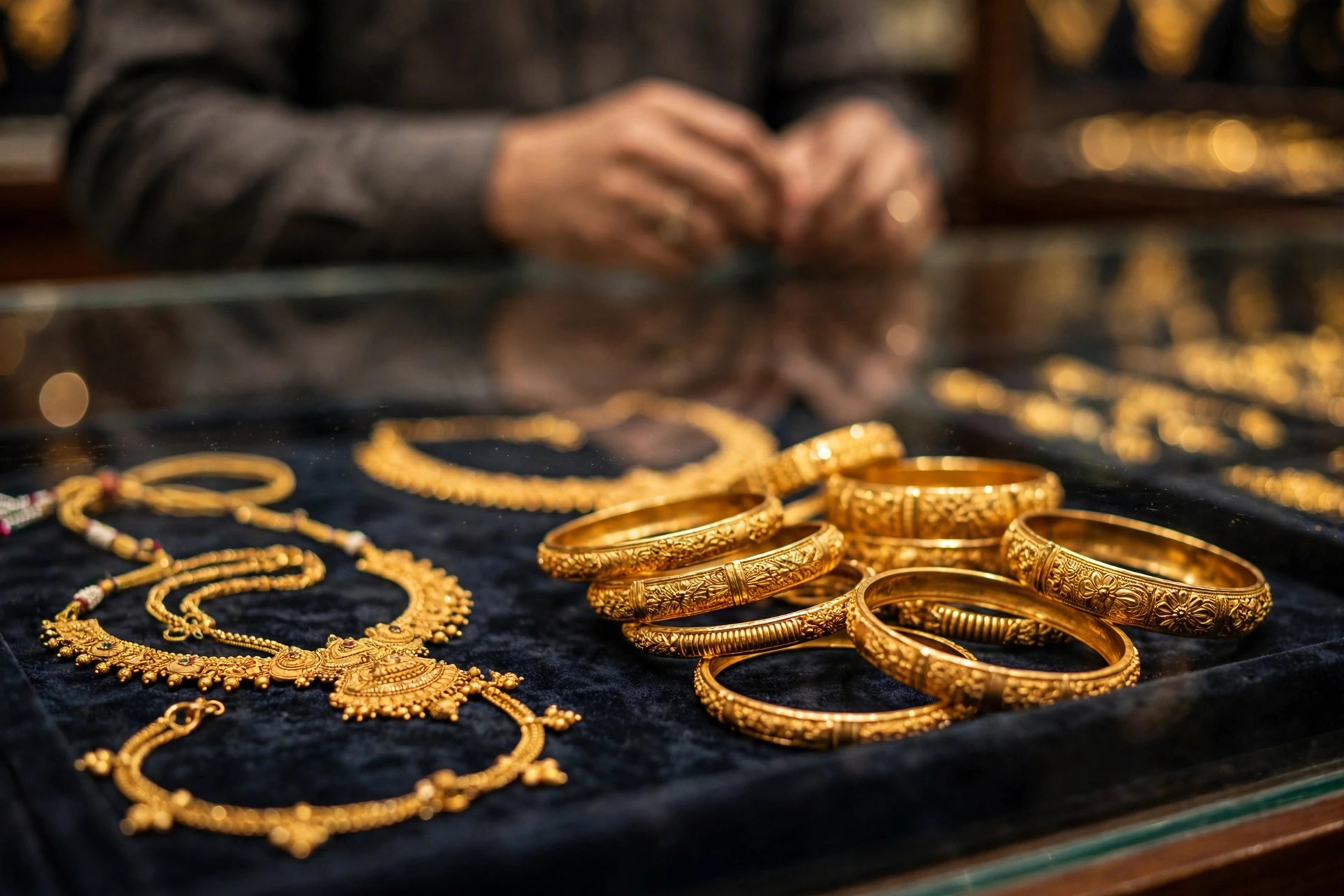
India's gold paradox: at record prices, almost nobody is selling
Gold trades near ₹1.5 lakh per 10 grams, yet Indian households sold less old gold last quarter than at any point in three years. They are pawning it instead.