The rupee's plumbing: SRVAs explained, without the jargon
Rupee at 96 to the dollar, trade talks stalled. Meanwhile a quieter project runs on: settling India's trade in rupees. How SRVAs work, and their limits.
In brief: A Special Rupee Vostro Account lets a foreign bank hold rupees at an Indian bank and settle trade in them, skipping the dollar. The RBI opened the door in July 2022; 92 accounts were cleared for banks from 22 countries, though only a handful are genuinely active. The plumbing is real; the usage is thin.
Why this matters right now
On Monday, Finance Minister Nirmala Sitharaman said the India-US trade talks have hit a plateau, with further give-and-take "very, very difficult" on both sides. A week earlier, US Trade Representative Jamieson Greer had called a deal "not imminent." The rupee closed October 1 at 96.31 to the dollar, a two-month low, foreign investors sold ₹9,232 crore of Indian equities in a single day after pulling ₹35,860 crore in September, and the RBI announces its policy decision on October 7. Washington's 10% Section 301 duty on Indian goods has been in force since July 24, and the February framework's 18% reciprocal rate lost its legal footing when the US Supreme Court struck down the emergency-powers basis behind it.
That is the noisy story. Underneath it, a quieter project continues: making the rupee settle India's own trade. It will not rescue October. It might reshape the next decade. Here is how it actually works.
What a vostro account is, minus the Latin
A vostro account is, at its heart, a bank account with the word "yours" written on it. Vostro is Latin for "yours": an Indian bank holds an account for a foreign bank, denominated in rupees. The foreign bank's money sits in India, in Indian currency.
The RBI created the Special Rupee Vostro Account framework in July 2022, in the middle of the scramble that followed Western sanctions on Russia. India needed to keep buying what it buys and selling what it sells without every invoice detouring through the dollar, and the existing rails assumed dollars at both ends. The new framework said: invoice in rupees, pay in rupees, settle in rupees, if both sides agree.
The initial permissions were sweeping on paper: 20 banks operating in India were cleared to open 92 Special Rupee Vostro Accounts for partner banks from 22 countries, from Germany and Singapore to Kenya and Fiji. The government later told the Rajya Sabha that 60 requests from banks in 18 countries had been approved. The counts move around because approvals are not the same thing as usage, a distinction this article will keep returning to.
How a payment actually moves
Take a concrete case. A Colombo importer buys tea from a Kochi exporter and they agree to invoice in rupees.
The Sri Lankan bank already holds a Special Rupee Vostro Account with an Indian authorised-dealer bank. The importer pays its own bank in Colombo; the Sri Lankan bank's rupee account in India is debited, and the exporter's Indian account is credited. No dollars were bought, no conversion spread was paid twice, no sanctioned correspondent bank stood in the middle. That is the whole trick. The rupee never leaves the Indian banking system, yet it settles a cross-border trade.
For this to work at scale, foreign banks need a reason to hold rupee balances rather than converting out immediately. The RBI has spent the last two years sweetening that deal. Surplus balances in these accounts were first allowed to be parked in Indian government securities; the central bank later widened the menu to corporate bonds and commercial papers, which pay better and deepen India's corporate debt market at the same time. The RBI's own FAQs and the forex dealers' association FEDAI keep a public directory of which bank pairs have actually wired up the route.
What changed most recently
The project did not stop at accounts. In October 2025 the RBI amended its foreign-exchange borrowing and lending regulations so that Indian banks, including their overseas branches, can lend in rupees to residents and banks in Bhutan, Nepal, and Sri Lanka for cross-border trade. The point is liquidity: a Kathmandu importer who earns in rupees can now also borrow in rupees, instead of borrowing dollars to pay for goods priced in a currency he never touches.
Then came the September 2026 monetary policy review, where Governor Sanjay Malhotra announced a fresh round of rupee-internationalisation steps: transparent reference rates for the currencies of India's major trading partners, to make rupee-based invoicing less of a guessing game, and wider investment avenues for surplus vostro balances. He noted that India's current account deficit had narrowed to $2.4 billion, 0.2% of GDP, in the first quarter of FY26, helped by services exports and remittances.
There were earlier building blocks too: a July 2023 understanding between the RBI and the Central Bank of the UAE on settling trade in local currencies, and Sri Lanka's central bank designating the rupee as a foreign currency in August 2022. That last one is worth stating precisely, because it gets exaggerated: it means Sri Lankan banks can deal in rupees, not that the rupee is legal tender for buying groceries in Colombo.
The honest limits
Start with the hardest number. Of all the permissions granted, the accounts reported as genuinely active are with Russia, Sri Lanka, and the Maldives. Everything else is paperwork waiting for a reason.
Then the question every trader asks, put bluntly by Mecklai Financial Services' Ritesh Bhansali: why would any country park surplus funds in a currency that has been depreciating and is not a developed-economy currency? His answer is also the sober timeline: rupee internationalisation is "a decade long journey," and these steps are "important steps but not as big enough to change the course of rupee in the short-term." The rupee closed at 96.31 to the dollar last week. No vostro account changes that arithmetic this quarter.
The trade structure sets a ceiling too. India's biggest import bill is oil, and oil is invoiced in dollars by sellers who see no reason to change. Rupee settlement works best where India has leverage and willing partners: neighbours, sanctioned economies, and bilateral corridors where both sides would rather skip the dollar's toll booth. The Director General of Foreign Trade once described the early transactions as happening in "bits and pieces." Four years in, that remains the most accurate progress report available.
And Delhi is not pitching this as a dollar-killer. India has publicly rejected the idea of a BRICS currency, and the SRVA project is framed as an option, not a replacement: one more way to pay, for those who want it.
What it can and cannot do
It cannot fix the tariff standoff, strengthen the rupee by Friday, or end India's need for dollars. Anyone selling you that story is selling something.
What it can do is narrower and more durable. For Indian exporters, invoicing in rupees removes the currency risk they currently eat on every dollar-denominated contract. For importers in partner countries, it cuts one conversion out of the chain. For the country, every trade settled in rupees is one less dollar that must be bought in a stressed market, which is exactly the outflow pressure that has been leaning on the rupee all year.
The plumbing metaphor is deliberate. Nobody celebrates pipes. But when the main water line gets weaponised, as the dollar's plumbing periodically does, you want a second set of pipes. India is laying them now, slowly, while the headlines argue about tariffs.
Frequently asked questions
What does SRVA stand for? Special Rupee Vostro Account: a rupee-denominated account that an Indian bank holds on behalf of a foreign bank, used to invoice, pay for, and settle trade in Indian rupees.
Which countries have them? Permissions cover banks from around 22 countries including Russia, Sri Lanka, Mauritius, Singapore, Germany, the UK, Kenya, and the UAE corridor. Reported active usage is concentrated in Russia, Sri Lanka, and the Maldives.
Is the rupee now legal tender in Sri Lanka? No. Sri Lanka's central bank designated the rupee as a foreign currency in 2022, which lets its banks handle rupee trade. Domestic transactions in Sri Lanka remain in Sri Lankan rupees.
Will this strengthen the rupee? Not in the short term. Analysts describe internationalisation as a decade-long project; its near-term effect on the exchange rate is limited. The 96-to-the-dollar pressure comes from trade flows, foreign-investor selling, and tariff uncertainty.
Is India trying to replace the dollar? No. Delhi has rejected a BRICS currency and frames rupee settlement as an additional option for willing partners, not a substitute for dollar trade.
Related on Thoughtful India: The tariff threat just got a deadline: what Goyal's Washington week actually changes — the standoff this plumbing is meant to outlast. And The 100% tariff threat is forcing India's rupee moment — the September 18 law behind the current pressure.
Sources: BizzBuzz (92 SRVAs, 20 banks, 22 countries; Finrex Treasury's Anil Kumar Bhansali); Mint (corporate bonds and commercial papers for SRVA balances; active accounts with Russia, Sri Lanka, Maldives; Ritesh Bhansali of Mecklai Financial Services); Outlook Business (RBI September 2026 measures; Governor Sanjay Malhotra; Q1 FY26 current account deficit); Capital Market/RBI Statement on Developmental and Regulatory Policies (October 2025 INR lending to Bhutan, Nepal, Sri Lanka); Fibre2Fashion (Rajya Sabha: 60 approvals, 18 countries; MoS Finance Bhagwat Kishanrao Karad); BusinessWorld Online (Sitharaman plateau remarks, October 5, 2026); The Financial Economy (rupee 96.31, Section 301 10%, FPI flows, Greer "not imminent"); Revoi (DGFT Santosh Kumar Sarangi, "bits and pieces"); RBI-FEDAI FAQs (SRVA directory and mechanics).
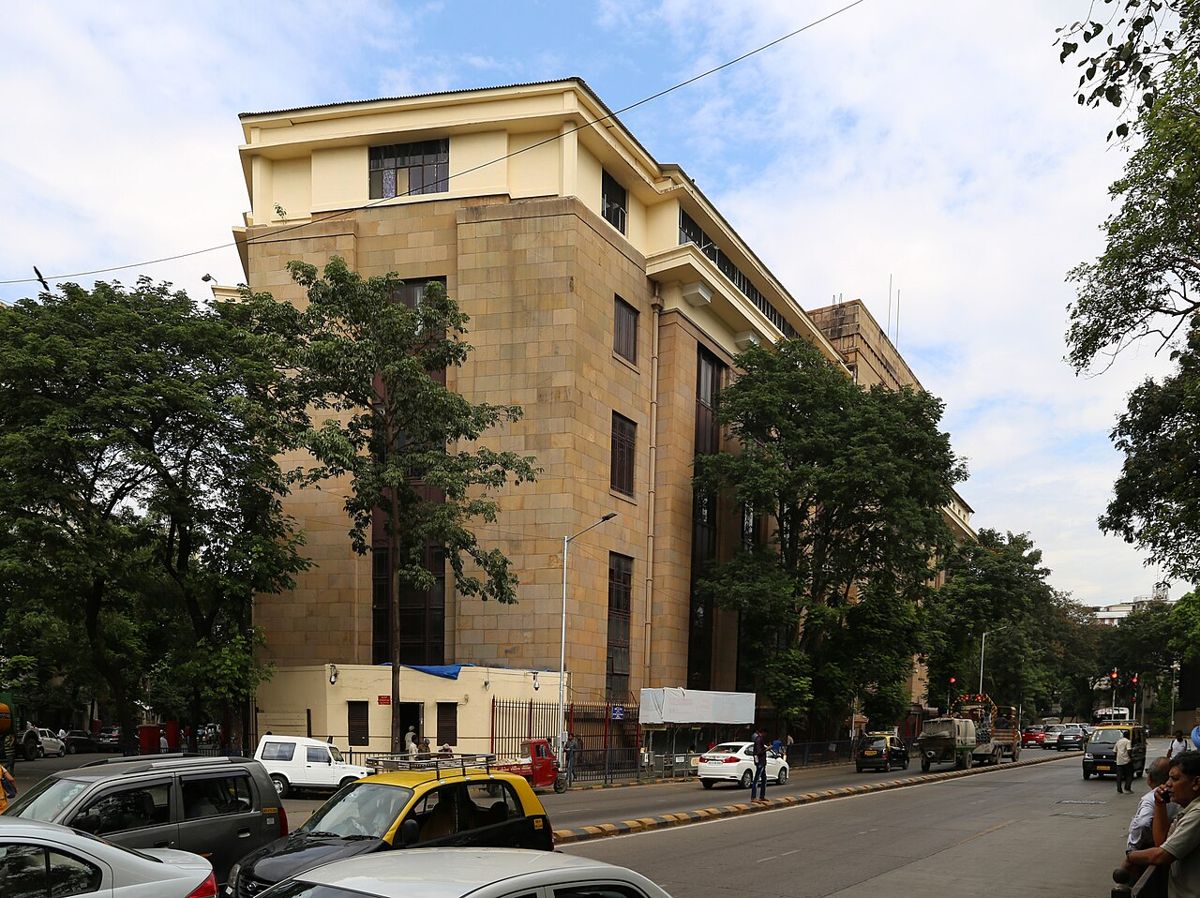
Photo: Reserve Bank of India headquarters, Mumbai — Sailko, CC BY 3.0, via Wikimedia Commons.
Comments
Loading comments…