White tiger kills visitor inside Delhi zoo
A 20-year-old man, Maksood of Anand Parbat, Delhi, died on September 23, 2014 after crossing the stand-off barrier of the white tiger enclosure at the Delhi Zoo and falling or jumping into the dry moat, in a tragedy that triggered immediate debate about safety standards at Indian zoos and the responsibility of institutions that keep large predators in semi-public settings.
The young man, who had fallen into the moat surrounding the tiger's enclosure, was pinned and attacked by the white tiger for approximately fifteen minutes while onlookers filmed the scene on mobile phones and zoo staff attempted to distract the animal. Some witnesses threw stones at the tiger; others called for tranquilizers. The zoo's emergency response was widely criticized as inadequate and delayed. According to the victim's father, Maksood had been treated for mental illness at RML Hospital; a zoo guard had twice tried to stop him from crossing the barrier.
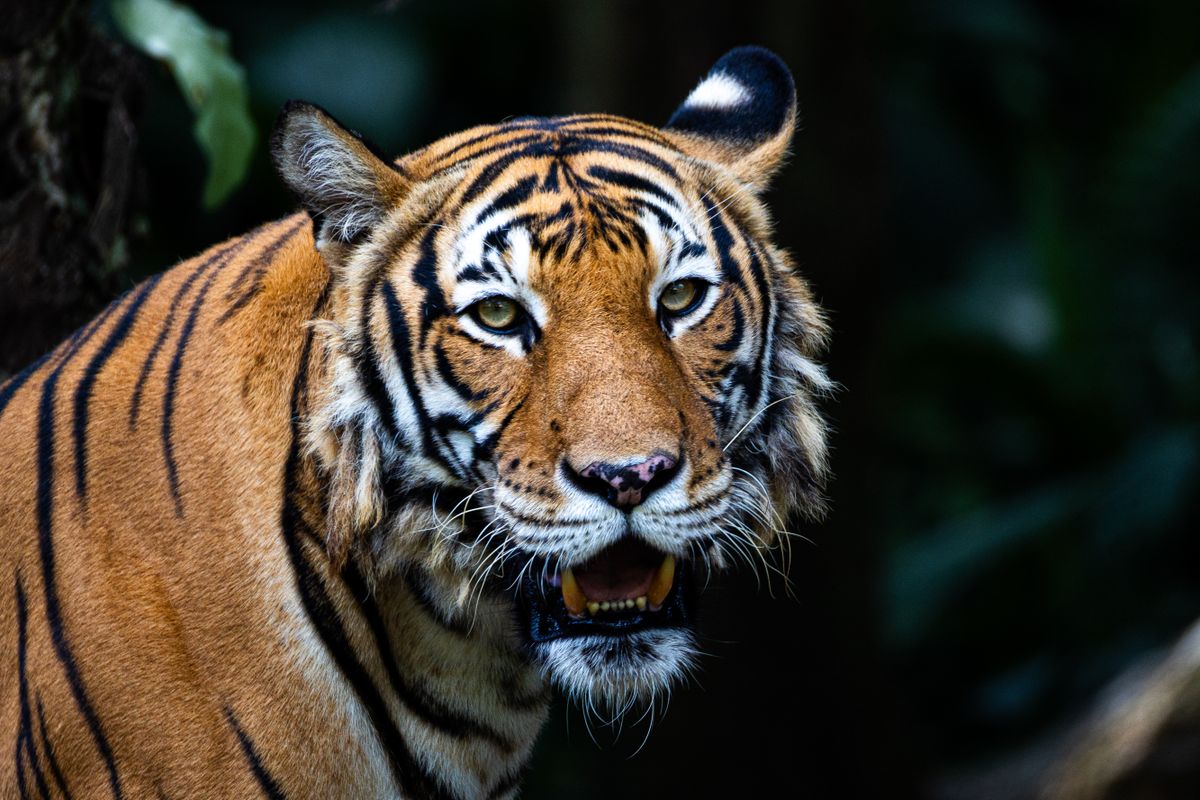
The white tiger, named Vijay, was subsequently housed in a separate enclosure while authorities investigated. Animal rights organizations were quick to note that the animal was behaving as tigers behave — the instinct to pounce on a creature that had entered its territory was neither aberrant nor punishable. Calls from some quarters to put the tiger down were firmly rejected by wildlife authorities and activists.
The Central Zoo Authority launched an investigation into the incident, focusing on the height and design of the barriers around the enclosure, the zoo's emergency protocols, and staff training for exactly this kind of scenario.
Delhi Zoo had been the subject of previous safety concerns, and the tiger mauling accelerated pressure for systematic infrastructure upgrades across India's network of zoos, many of which operate with aging facilities and inadequate staffing.
The tragedy also prompted a broader cultural question: what does it mean to keep wild animals in urban enclosures, and what obligations does an institution accept when it does so?
Related Stories
India's Tiger Comeback: Conservation Success Story
From ~1,400 tigers in 2006 to ~3,600 by 2022 — India now hosts 70% of the world's wild tigers. How Project Tiger reversed extinction, and why the success is

Indian-Americans from California raised $75000 to build an eye hospital in Bihar.
At a 2015 Cupertino fundraiser, Indian-Americans raised $75,000 as the first step toward a $4 million, 200-bed eye hospital in Bihar with 25,000 free

Why do American Indians strive for academic excellence?
Why do Indian-American families push so hard on academics? From skilled-worker immigration to the tiger-parent ethos, a look at the culture of excellence.