The New Indian Middle Class: Aspirations, Anxieties, Consumption
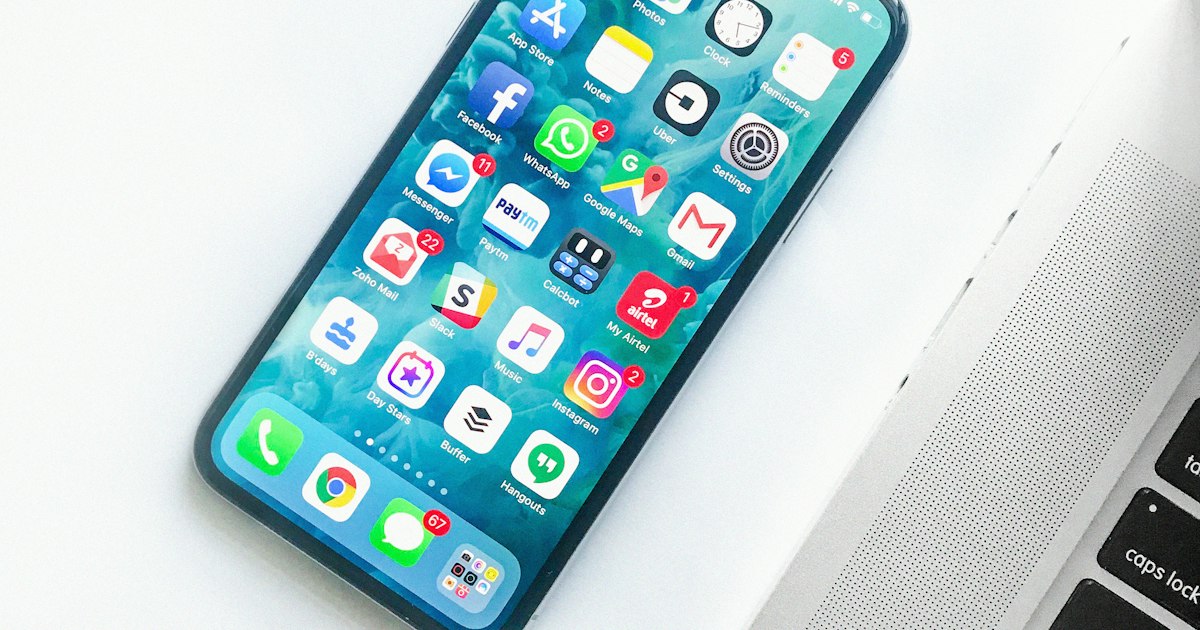
India's middle class — commonly estimated at 250-350 million people with annual household incomes between ₹10 and ₹50 lakh — represents a purchasing power that shapes entire economies. Yet their consumption patterns reveal a psychology distinct from previous middle classes: aspiration mediated constantly by anxiety about maintaining status in an economy that has provided opportunity but offers no guarantees.
The consumption paradoxes are everywhere. A middle-class household buys premium Apple products while obsessively tracking deals on discount retail apps. They join expensive gym memberships yet practice yoga at home to save money. They dine at global restaurant franchises and street food stalls within the same week. This isn't incoherence; it's sophisticated pragmatism. They desire the quality and status associated with premium brands while maintaining acute awareness that income security is precarious and financial discipline remains essential.
The psychological difference from their parents' generation is crucial. The previous middle class — professionals, government employees, established business owners — believed in stability. Your government job was secure for life. Your salary increased predictably. Your pension was guaranteed. That certainty shaped consumption: moderate, planned, long-term oriented. Anxiety existed but was bounded by institutional stability.
The new middle class has won a lottery they didn't anticipate keeping. Many are first-generation educated professionals. Their parents were working-class or lower-middle-class. They attended IIT or engineering college on merit, secured tech jobs, ascended rapidly to comfortable incomes. Yet they know this ascent is conditional. Companies restructure. Industries shift. New graduates are hungry and cheaper. Job security is measured in years, not decades. A bad performance review, a missed promotion, an economic downturn—any could disrupt the trajectory.
This creates a consumption pattern driven by status anxiety. They must demonstrate that they belong to the middle class while perpetually fearing they don't. The iPhone signals aspiration and arrival. The discount tracking signals prudence. Both are necessary psychological performances.

Housing exemplifies the anxiety most acutely. For previous generations, owning a house was the defining marker of middle-class arrival. For the new middle class, it often becomes a burden. A ₹50-lakh house purchased on a ₹20-lakh annual income means a 20-year mortgage consuming roughly a quarter to a third of take-home pay. Every monthly EMI payment is a reminder of precariousness: if income disrupts, the house becomes unaffordable. Parents of middle-class Indians—who rented for life without shame—made this calculation rationally: housing costs matter less than financial flexibility. Yet the new middle class feels compelled to buy. Housing ownership signals finality of status arrival. Renting signals impermanence, suggests you haven't truly made it. The housing obsession reflects not rational economics but status anxiety mediated as financial obligation.
Education spending for children represents another anxiety manifesting as consumption. Middle-class parents spend substantially on children's education—tuition at private schools (₹1-3 lakh annually), coaching for competitive exams (₹2-5 lakh), college preparatory classes. This isn't frivolous consumption but strategic investment, and parents know the stakes. They believe education is the primary mechanism through which their children can secure better positions than they themselves did. Without premium education, they fear downward mobility. Yet education inflation is real: every child is being coached, every family is investing. The relative advantage that investment provides shrinks annually, yet the spending pressure increases. Middle-class parents spend in fear that if they don't, their children will fall behind.
Consumer debt has expanded dramatically. Credit cards proliferate. Buy-now-pay-later services enable aspirational consumption instantly. Personal loans are marketed aggressively. The psychological effect is precariousness mediated by consumption: spending on the premium goods, the foreign vacation, the latest gadget makes life feel normal and successful. Yet the debt creates vulnerability. Any income disruption threatens repayment obligations. The consumption that signals arrival simultaneously creates financial fragility.
There's also meaningful generational divergence within the middle class. Younger professionals (under 35) display more aspirational consumption—willing to take debt for experiences, status symbols, lifestyle upgrades. They believe opportunity is abundant and income will continue rising. Older middle-class professionals (35-50) display more anxiety-driven saving and investment in children's education. They've seen recessions, missed promotions, industry shifts. They're more cautious. Yet both age groups share the underlying insecurity: despite higher incomes than their parents, they feel less secure about maintaining status in a competitive economy where the next person is always hungrier.
The social media amplification of this anxiety is significant. Instagram and YouTube create constant visibility of aspirational consumption. Influencers document premium experiences, luxury goods, lifestyle upgrades. The middle-class consumer scrolls through this visibility while managing their own precariousness. The gap between curated online aspiration and lived financial anxiety creates psychological pressure that drives both consumption and credit-taking.
This consumption pattern has economic consequences. Retail spending is strong, driving commerce and economic growth. Housing demand sustains real estate. Education spending funds an entire ecosystem of coaching centers and private institutions. Yet the consumption is often financed through debt, making it vulnerable. A significant economic slowdown could trigger defaults and financial crisis. The growth powered by middle-class consumption is real but fragile, sustained by continuous income growth and confidence in future opportunity. Either falters, and the entire consumption edifice wobbles.
The honest assessment: India's new middle class is consuming beyond security and investing in status symbols as psychological insurance against status loss. This creates strong growth but precarious balance. They're succeeding financially while feeling perpetually insecure. They're demonstrating aspiration while carrying anxiety. Understanding this psychology is essential to understanding both India's current economic dynamism and its underlying fragility.
Related Stories
Chennai-Kochi Industrial Corridor: South India's New Growth Story
India's industrial map centered on Delhi, Mumbai, Bangalore. The Chennai-Kochi corridor is emerging as South India's counterweight — ports, labor, arithmetic.
India's Semiconductor Dream: Can We Make Chips While the World Watches?
India is spending $10 billion to build chip fabs and break Taiwan's grip on semiconductors. The ambition is real; the power grids, supply chains, and
Make in India: Semiconductors, Batteries, Electronics Push
$10 billion for chip fabs, PLI for batteries: the hardware push is real — but fabs need decades, batteries need scale, assembly is only the first step.