More foreclosures: real estate to see new lows

The foreclosure pipeline that built up during the 2008-2012 housing crisis continued working through the American housing market long after the acute phase of the financial crisis had passed, with millions of properties in various stages of default, delinquency, and bank ownership keeping pressure on home prices in markets that had been hit hardest by the origination abuses of the bubble years.
The so-called "shadow inventory"—properties that were seriously delinquent, in foreclosure proceedings, or already bank-owned but not yet listed for sale—represented a supply overhang that real estate analysts tracked closely as a leading indicator of price pressure in affected markets. When this inventory eventually moved to market, it would compete with conventional sales at distressed prices.
Florida, Arizona, Nevada, and California bore the heaviest concentrations of distressed properties, reflecting the states where the bubble had been most inflated and where subprime origination had been most aggressive. In these markets, foreclosure auctions, short sales, and bank-owned properties were defining the price environment for surrounding conventional sales.
The processing of the foreclosure backlog was complicated by the "robo-signing" scandal—revelations that major servicers had approved foreclosures without proper documentation review, prompting a multistate attorney general investigation. That investigation would culminate in February 2012 in a $25 billion settlement with the five largest mortgage servicers, but in the meantime it temporarily slowed foreclosure processing while servicers brought their procedures into compliance.
For buyers with capital and credit, the distressed market offered genuine opportunities. For neighborhoods where concentration of foreclosures was high, the effect on property values, maintenance, and community stability was uniformly negative. The social costs of the housing crisis were distributed very unevenly.
Related Stories

Archive: Mark Zuckerberg's India Visit and the Internet.org Summit
In October 2014, Mark Zuckerberg visited India to address the Internet.org summit and meet PM Modi — his bid to connect the world's 5 billion offline.
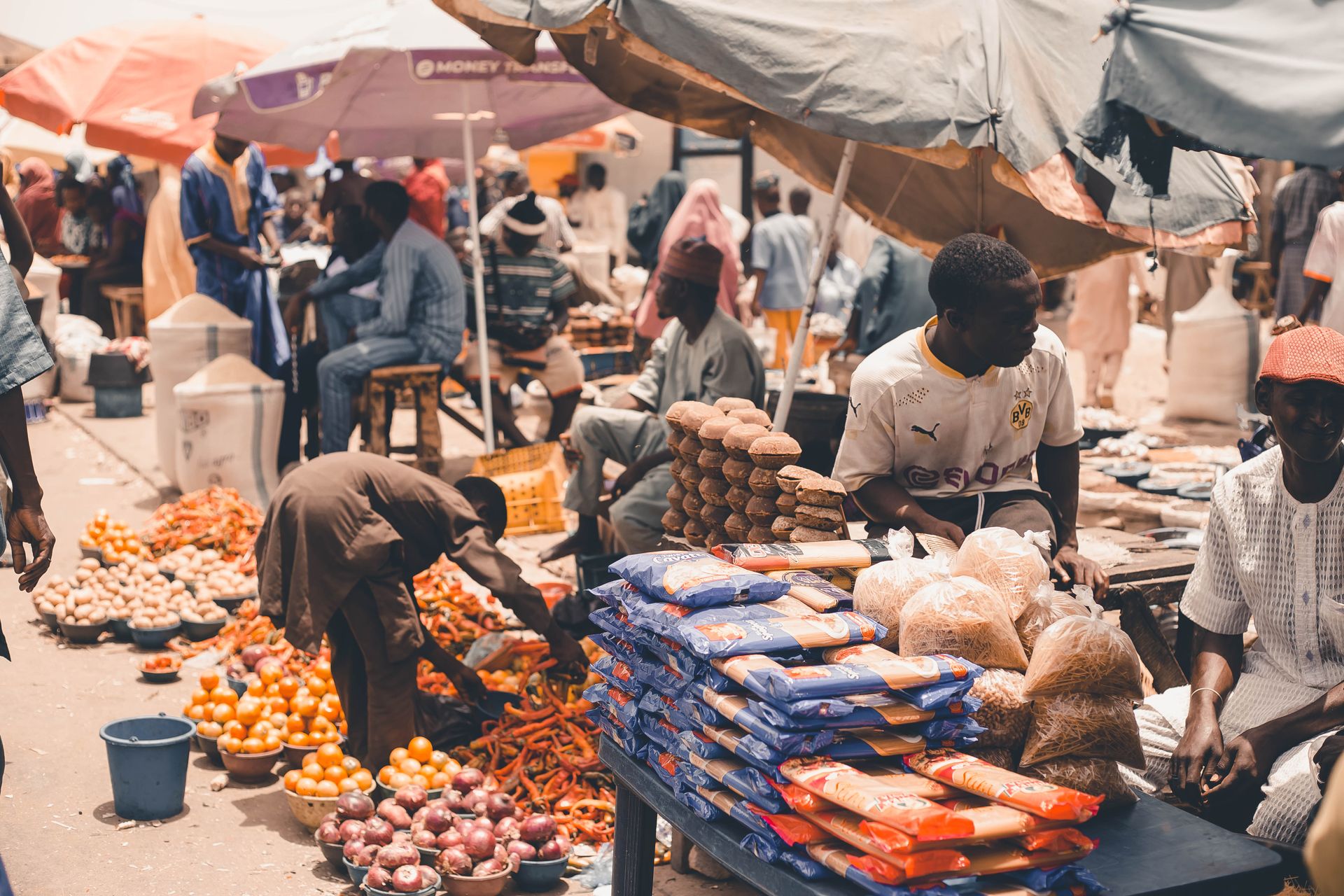
Nigeria's Richest Woman Never Went to University
Folorunsho Alakija, worth $2.6 billion in 2014, told University of Lagos students she never attended one. The fashion-to-oil story behind it.

Loans Could Be Rejected or Approved Based on Facebook Friends
A 2013 CNNMoney report revealed startups like Lenddo and Kreditech were weighing your Facebook friends when deciding whether you get a loan.