Pokémon Turns 30: How a Game Boy Cartridge Became a $150 Billion Empire
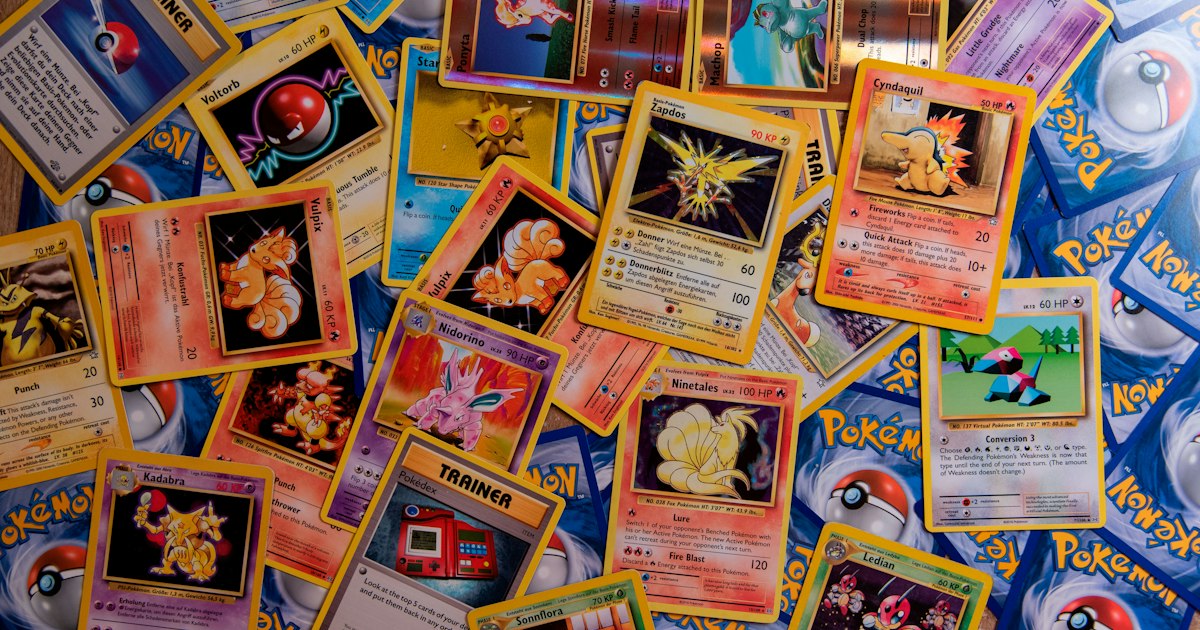
Thirty years ago, two Game Boy cartridges — Pokémon Red and Green — launched in Japan with modest expectations. Today, Pokémon is the highest-grossing media franchise in history, with lifetime revenue estimated as high as $150 billion.
The milestone is being celebrated in a way that only Pokémon can: everywhere, all at once.
The scale of the celebrations
Pokémon Day 2026 on February 27 kicked off a year-long global campaign. LEGO released its first-ever Pokémon sets. All Nippon Airways announced three new Pokémon-themed aircraft. Best Buy hosted nationwide Trade & Play events. A projection light show, Pokémon Trading Card Game Tokyo Luminous Night, lit up the Tokyo Metropolitan Government Building starting March 20, according to Pokemon.com.
In Pokémon GO, all original Generation I Pokémon — including those that never normally spawn — were made available in the wild for a week, according to Leek Duck.
Pokémon's 30th anniversary has sparked merchandise launches, in-game events, and live celebrations worldwide.
How it got here
The franchise's longevity isn't accidental. Pokémon has evolved across every major platform shift: Game Boy to Nintendo DS to Nintendo Switch, cartoons to feature films, physical trading cards to digital games. Each generation of children discovers it anew — and the adults who grew up with it never quite let go.
The Trading Card Game alone has generated billions in revenue, with certain first-edition cards now selling for hundreds of thousands of dollars at auction.
What makes it endure
There's a compelling argument that Pokémon succeeds because it is fundamentally about collecting, competing, and connecting — drives that transcend culture, language, and age. The brand doesn't chase relevance; it simply remains present.
At 30, Pokémon isn't nostalgic. It's still happening.
Sources: Pokemon.com · Leek Duck · Nintendo
Related Stories

2026 Is the New 2016: The Nostalgia Explosion Taking Over the Internet
37 million Instagram posts: why '2026 is the new 2016' became the defining trend — and what the nostalgia says about a culture exhausted by AI content.
Kiki's Delivery Service Hits IMAX — Ghibli's Quiet Cultural Conquest
A 1989 Miyazaki classic is selling out IMAX screens in 2026. Why Kiki's Delivery Service — and Studio Ghibli's whole catalogue — became Gen Z's comfort cinema.
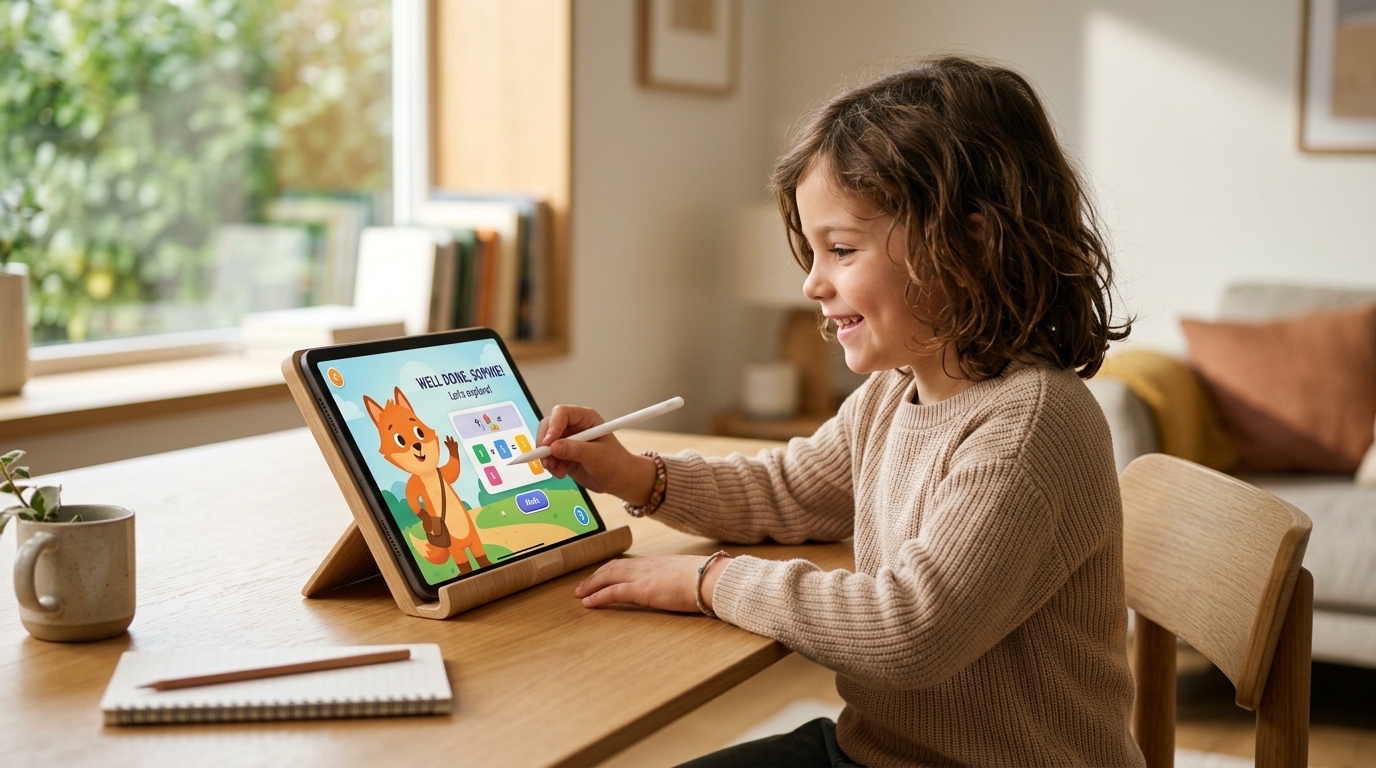
The Tutoring Trap: Why Worksheets and Gamified Apps Are Failing Our Children—and How Adaptive Socratic AI Is Changing the Math
Worksheets drill compliance, gamified apps reward clicking — neither builds reasoning. How adaptive Socratic AI tutors could change the equation.