Kiki's Delivery Service Hits IMAX — Ghibli's Quiet Cultural Conquest
A 1989 Miyazaki classic is selling out IMAX screens in 2026. Why Kiki's Delivery Service — and Studio Ghibli's whole catalogue — became Gen Z's comfort cinema.
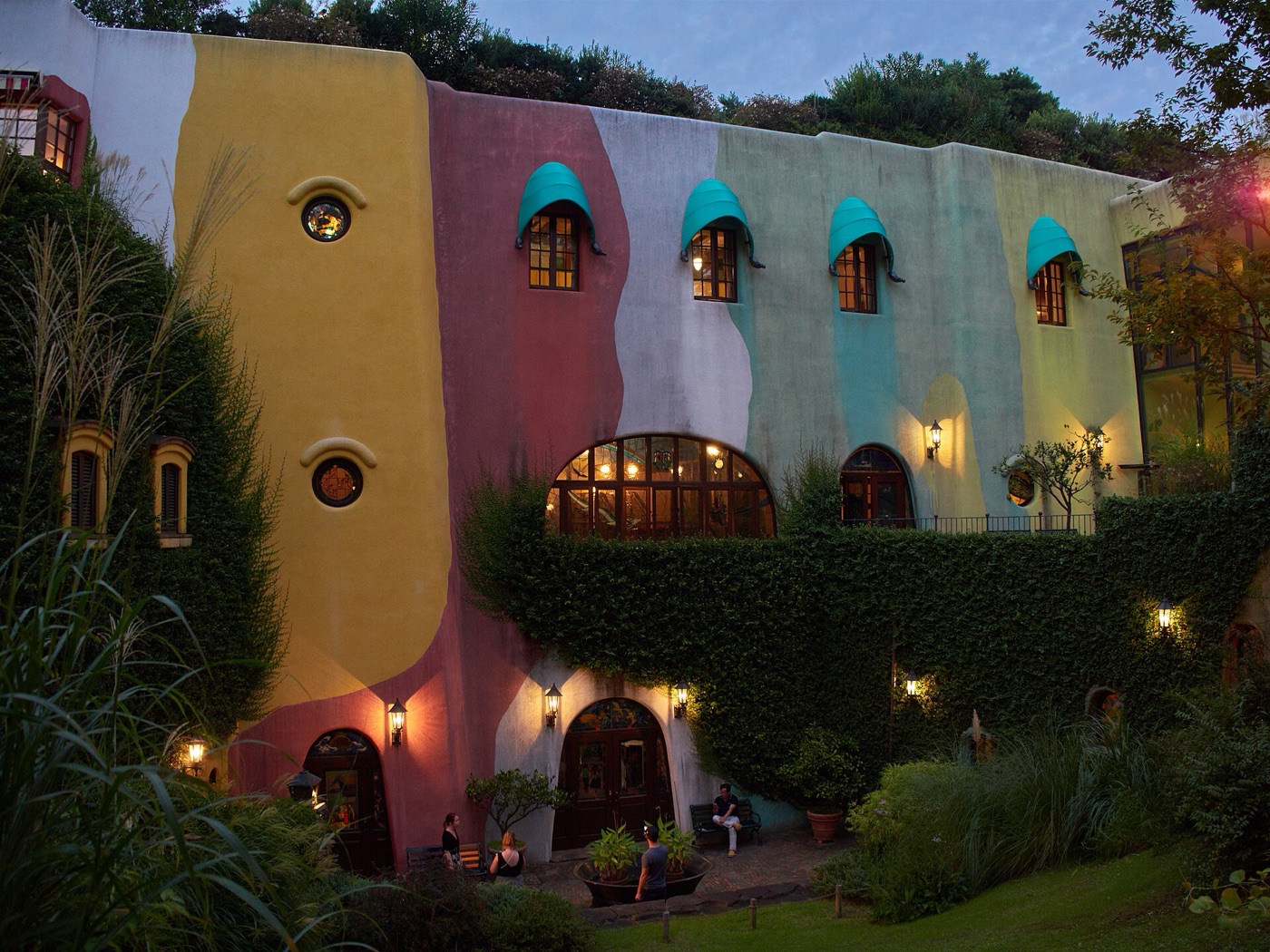
Photo by lumoplank, CC0, via Wikimedia Commons
A 1989 Japanese animated film about a teenage witch and her talking cat is selling out IMAX theaters across North America in 2026. That's not a quirk. That's Studio Ghibli.
Kiki's Delivery Service hits IMAX screens on March 13 in a newly restored 4K remaster — the first time the film has ever screened in the format, per the announcement covered by Hypebeast and Empire. The limited one-week engagement is available in both the original Japanese with subtitles and an English dub featuring Kirsten Dunst, Debbie Reynolds, and the late Phil Hartman.
Why this film, why now
Miyazaki's coming-of-age story about a young witch finding her independence in a new city has always resonated. But its cultural footprint has grown significantly in recent years, as global audiences — particularly Gen Z — have rediscovered Ghibli's back catalogue through streaming.
The IMAX treatment is less a revival and more a coronation. Nostalgia, social media aesthetics, and the film's timeless visual warmth have made it a touchstone for a generation that never saw it in theaters the first time.
The 4K IMAX restoration brings Miyazaki's hand-drawn world to the biggest screens it has ever occupied.
The Ghibli phenomenon
Studio Ghibli is now widely considered one of the most culturally significant animation studios in history — not just in Japan but globally. Films like Spirited Away, Princess Mononoke, and My Neighbor Totoro regularly appear on critics' best-films-ever lists alongside Kubrick and Kurosawa.
What's unusual about Ghibli's success in the West is how organic it has been. No superhero franchise backing, no theme park IP (until recently), no shared universe. Just handcrafted films with distinct visual language and emotional depth.
The larger trend
Kiki's IMAX run is part of a broader renaissance for classic animated films. Hollywood is increasingly treating animated cinema from the 1980s and '90s as high art worth preserving and re-presenting — because audiences are demanding exactly that.
Sometimes the most interesting thing at the multiplex is 37 years old.
Sources: Hypebeast · Empire Online · IMAX


Comments
Loading comments…