Jon Stewart doubts AI's universal high income, and E.M. Forster would too
On The Daily Show, Jon Stewart told the AI bosses to stop selling a cheque for everyone. A century of science fiction explains why that cheque is a trap.
Swaraj — We the People. A Monday column by Suchitra Sharma on freedom, purpose and who decides where your life goes in the age of AI.
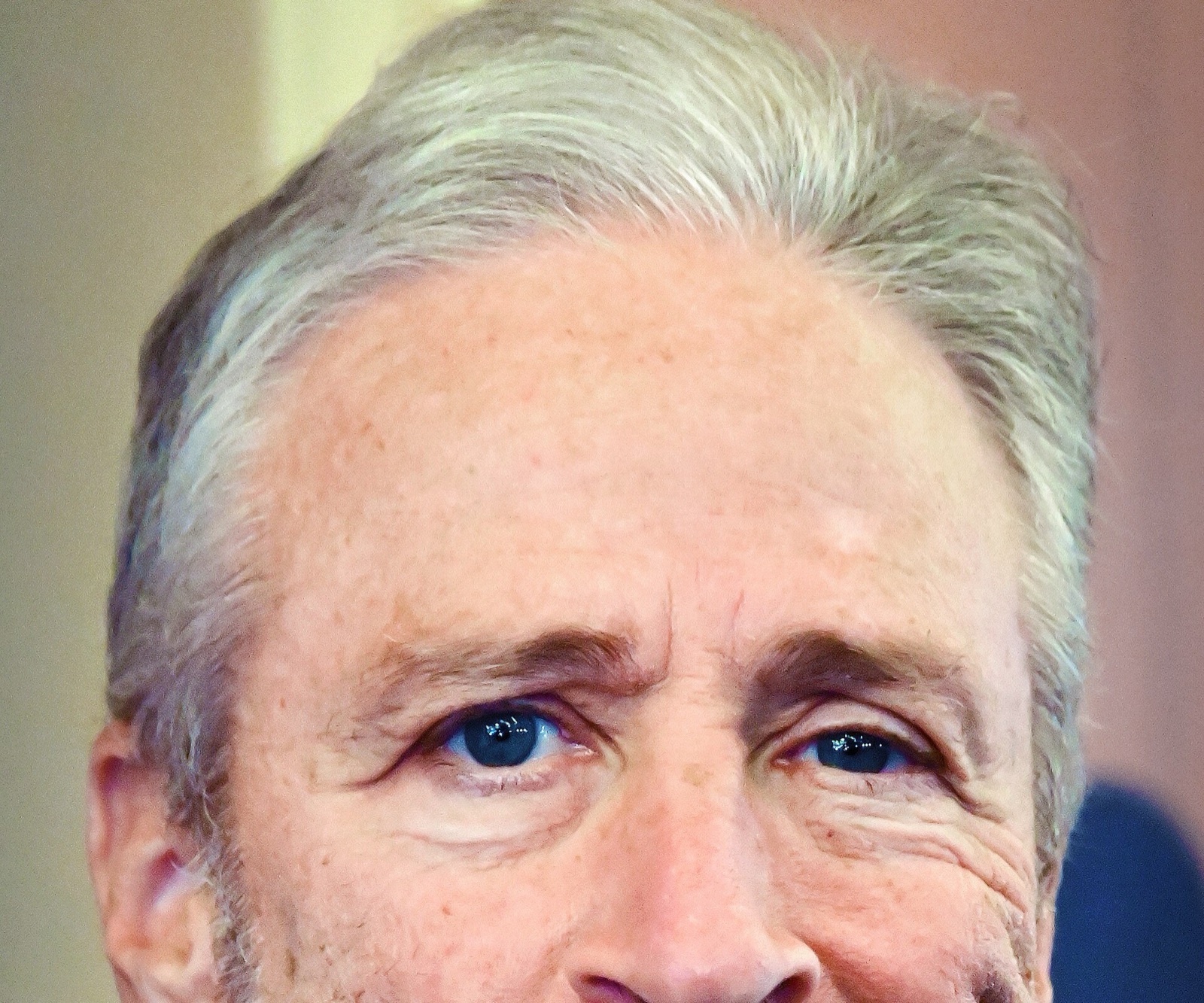
Top photo: Jon Stewart at the Broadway opening night of "All Out" in New York, December 2025. Photo by PhilipRomanoPhoto, CC BY-SA 4.0, via Wikimedia Commons.
On Monday, October 5, Jon Stewart gave a whole episode of The Daily Show to artificial intelligence. He played clips of technology chiefs promising cures, abundance and a cheque for everybody, and then he lost patience. Promises of "universal high income and incredible hobbies," he said, would not "paper over how frightening this future can sound," Variety reported. He also had a plea. "Stop lying to us!"
The joke that landed hardest was about the bargain itself. If the industry gets enough unfettered capitalism, Stewart said, "we can apparently capitalism our way to socialism," according to The Mary Sue's account of the monologue. The audience laughed.
The phrase he mocked belongs mostly to Elon Musk. In April, Musk wrote on X that federal cheques for a "Universal HIGH INCOME" were "the best way to deal with unemployment caused by AI." He added that machines would out-produce the money supply, so prices would not rise. He gave no timeline. In 2024, speaking by video to the VivaTech conference in Paris, he had already predicted that "probably none of us will have a job," Yahoo News reported.
On Monday, Fortune reported that he had promised one SpaceX share to every American child next year, a gift it valued at about $10.5 billion. He gave no further details.
Later in the hour, Stewart heard the case for the cheque from someone who had helped build the machines. His guest was Jacob Coxon. He spent about three years in pretraining research at OpenAI and then Anthropic before resigning from Anthropic in September, LateNighter reported. He is 28. "I think there will be no jobs," Coxon said, according to Newsweek.
Stewart asked how such an economy would work. "The dividends from entirely automated economic production can be distributed among real humans," Coxon answered, Newsweek reported. Meaning was harder. Coxon said he had once wanted to study zoology or history before money drew him into technology, Parade reported, and he suggested he might trade some meaning for the ability to meet other needs. Stewart was unconvinced.
What is at stake, Stewart said, is agency, people's power to change the course of their own lives.
E.M. Forster imagined the cheque in 1909. In "The Machine Stops," published in November 1909, people live alone in underground cells. Buttons bring food, music and a bath. The citizens praise their provider in a single breath. "The Machine," they exclaimed, "feeds us and clothes us and houses us."
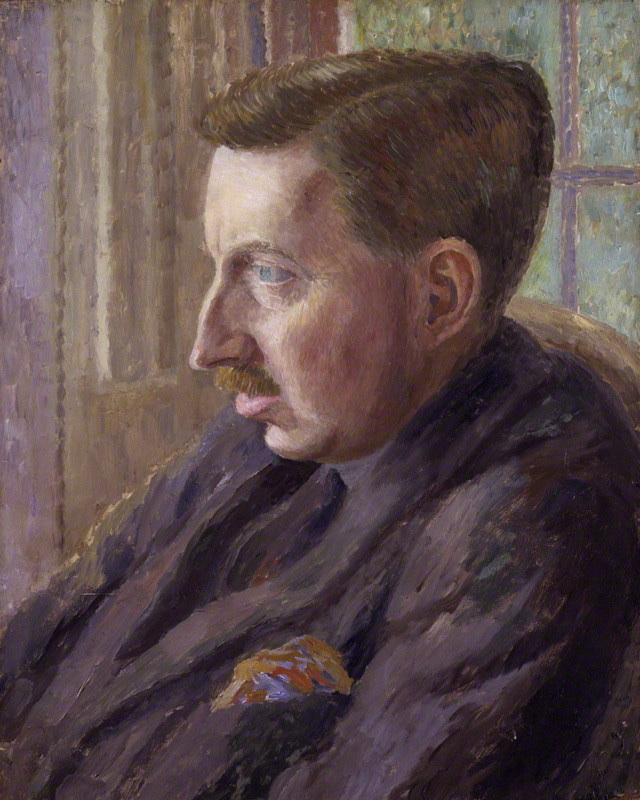 E.M. Forster, painted by Dora Carrington in 1924–25. Public domain, via Wikimedia Commons.
Forster's heroine, Vashti, talks to her son Kuno only through a screen. When he asks to see her in person, she finds the request tiresome. A lecturer later gives the age its motto. "Beware of first-hand ideas!" Over time the Machine's instruction book becomes scripture, and nobody remembers how the Machine works. Then it begins to fail.
"Humanity, in its desire for comfort, had over-reached itself." He wrote it before the First World War, before radio was in most homes and long before anyone had seen a chatbot.
Kurt Vonnegut moved the same fear into a factory town. His first novel, Player Piano, published in 1952, is set in Ilium, New York, where machines run nearly everything. The engineers and managers live on one side of the river. Everyone else is housed, fed and given make-work in a public labour corps. Nobody starves, yet the men of Ilium feel useless. The book ends with a revolt that smashes the machines, and then, in Vonnegut's darkest touch, the rebels start repairing them.
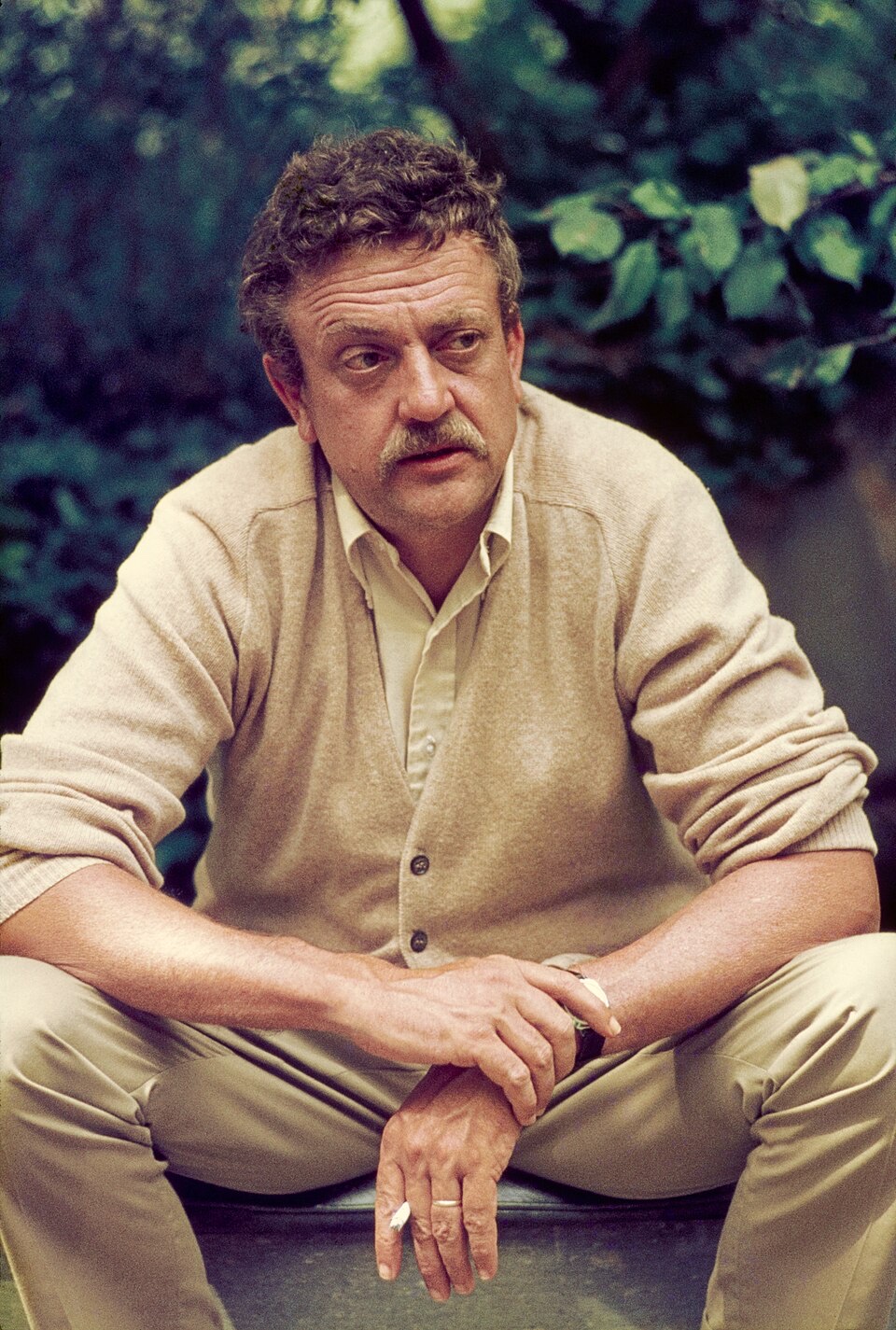 Kurt Vonnegut in 1965, photographed by Bernard Gotfryd. Public domain, via Wikimedia Commons.
Aldous Huxley saw the trap from the ruler's chair. In chapter 16 of Brave New World, the World Controller Mustapha Mond explains why his state does not shorten the working day, though it easily could. Ireland once tried a four-hour day. It led, he says, only to unrest and more soma.
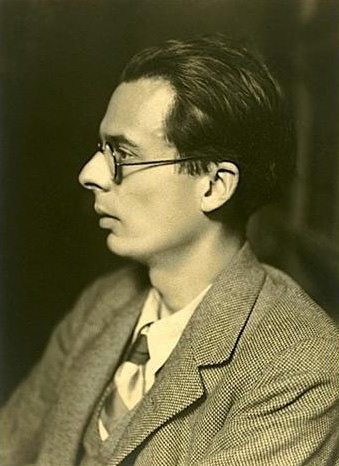 Aldous Huxley in 1925, photographed by Henri Manuel. Public domain, via Wikimedia Commons.
Pixar put the idea on a cinema screen in 2008. In WALL-E, the passengers of the starliner Axiom have every need met for centuries. They glide about in hoverchairs, and an autopilot decides they will never go home. The film's happy ending begins when a captain switches the autopilot off and the passengers go back to Earth to farm.
Iain M. Banks imagined the Culture, a galaxy-spanning society where intelligent machines run the economy and nobody needs to work. Even there, his most restless characters went looking for danger and duty.
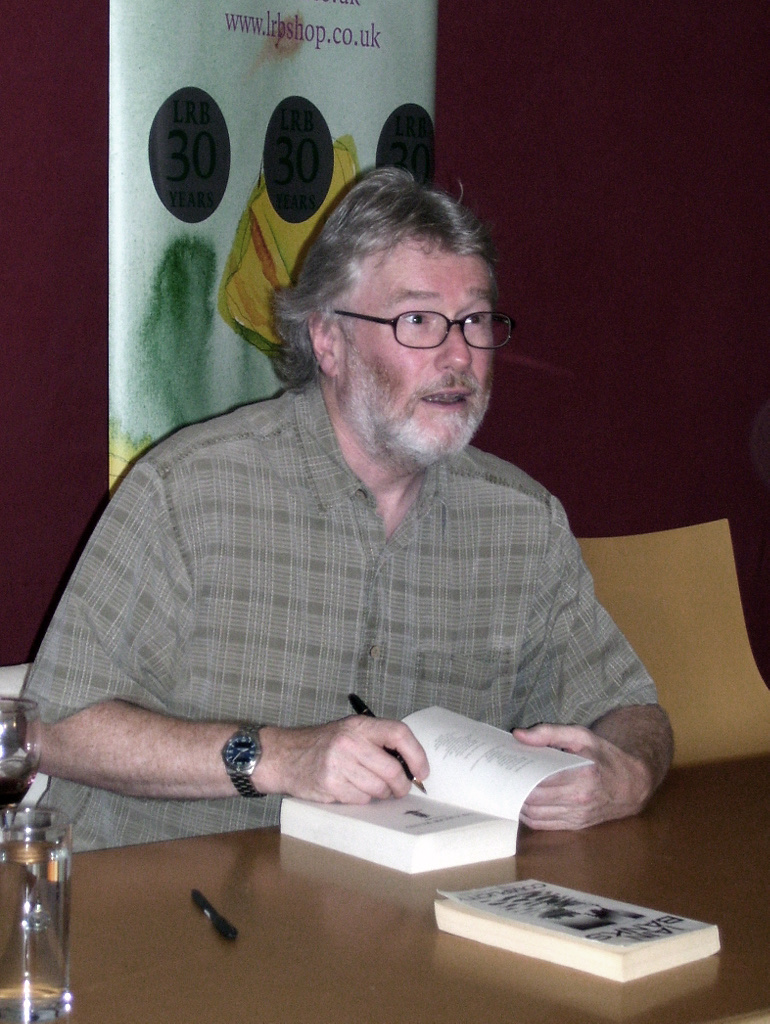 Iain M. Banks at the Edinburgh International Book Festival in August 2009. Photo by TimDuncan, CC BY-SA 3.0, via Wikimedia Commons.
The largest American test, the OpenResearch study published through the National Bureau of Economic Research, paid 1,000 low-income adults in Illinois and Texas $1,000 a month for three years. A control group got $50. The recipients earned about $1,900 a year less from work than the control group, and their partners cut back too. The extra time went mostly to leisure. Gains in wellbeing showed up in the first year and then faded.
From 2017 to 2018, it paid 2,000 unemployed people €560 a month, and the University of Helsinki reported that recipients felt clearly better. Employment barely moved. Neither test came close to the "high" income Musk describes, and Musk has not said how Washington would fund it.
The government's Economic Survey for 2016–17 gave a full chapter to a universal basic income, and Arvind Subramanian, then chief economic adviser, called it a powerful idea that was not yet ripe for implementation, The Wire reported. The chapter invoked Gandhi. The survey priced a modest version at several percent of GDP. Nine years on, it has not happened.
Stewart came close to it in his reply to Coxon. A wage you earn gives you standing. When the money comes from a machine's owners, the standing passes to them. Forster understood that the Machine's power came from being thanked. Mond, Huxley's controller, keeps his subjects contented and idle.
I think Stewart's anger is the right response, and the promise deserves suspicion. The people offering a cheque for everyone are the same people who would control the machines that pay it. When the Machine stops in Forster's story, the dying Kuno says the "Homeless," cast out to the surface, are "hiding in the mist and the ferns."
The full Coxon interview, about 26 minutes long, is on YouTube. Forster's story first appeared in the Oxford and Cambridge Review in 1909. Project Gutenberg has it free.


